Categories
Rebuild Timeless Tools

The Future’s as Bright as We Make It

We have the oppor­tu­ni­ty to use our knowl­edge and tech­nolo­gies for col­lec­tive uplift. Whether the results of inno­va­tion become dan­ger­ous, or ben­e­fi­cial, is depen­dent upon how those inno­va­tions are applied with­in our social pro­grams and policies.

Requir­ing less stuff to accom­mo­date con­tem­po­rary lifestyles is crit­i­cal but dif­fi­cult to achieve. The world’s rich­er nations have lived so long in states of mate­r­i­al abun­dance that the thought of shift­ing to a tru­ly aus­tere lifestyle makes most of us at least slight­ly uncom­fort­able. Peo­ple may be will­ing to make small sac­ri­fices to ease car­bon emis­sions, but our cul­tur­al expe­ri­ence is so deeply ground­ed in hav­ing “things” that abrupt­ly switch­ing to a lifestyle of pure neces­si­ty would poten­tial­ly leave us adrift.

Obvi­ous­ly, “things” require labor to make. Much of pro­duc­tion has already been auto­mat­ed and it is look­ing increas­ing­ly like­ly that soon all fab­ri­cat­ed objects we use will be made by a robot­ic work­force. This idea makes some peo­ple uncom­fort­able. It cer­tain­ly sounds a lit­tle scary giv­en the var­i­ous robot-cen­tric apoc­a­lyp­tic nar­ra­tives we’ve been exposed to through film over the years. How­ev­er, If we can set automa­tion in bal­ance with con­sid­er­a­tions for cli­mate change and envi­ron­men­tal con­cerns (along with social and emo­tion­al intel­li­gence), we could poten­tial­ly har­ness the pow­er of automa­tion to lib­er­ate humans to lead more self-direct­ed lives. As with so many of our present day chal­lenges, how automa­tion ends up empow­er­ing peo­ple will be close­ly tied to how the advan­tages of this indus­tri­al-grade tech­nol­o­gy are distributed.

That we speak about automa­tion with trep­i­da­tion is a symp­tom of our mind­set toward robots being one of own­er­ship and sub­ju­ga­tion. A more appro­pri­ate per­spec­tive with which to approach the idea of automa­tion is that of a part­ner­ship. In this sense, the pow­er of col­lab­o­ra­tion can effec­tive­ly con­front anx­i­eties. Fears of “the threat of automa­tion” are indeed well found­ed; peo­ple are deeply wor­ried about the pos­si­ble impend­ing job loss­es as a result of full imple­men­ta­tion. Espe­cial­ly when you think that the word “machines” does not even quite cap­ture the scale of the loom­ing automa­tion shift, as it will also like­ly com­prise AI (or machine learn­ing algo­rithms) capa­ble of med­ical diag­noses, legal work, and all man­ner of tasks pre­vi­ous­ly con­sid­ered the sole remit of human input. 3% of all work­ing Amer­i­cans are employed as dri­vers of some kind, an indus­try that autonomous dri­ving tech­nol­o­gy would com­plete­ly usurp if it becomes as ubiq­ui­tous as many pre­dict. But if a social safe­ty net helps cre­ate new indus­tries, like eco­log­i­cal restora­tion, or opens up new job oppor­tu­ni­ties with­in new­ly-expand­ed sys­tems of edu­ca­tion and health­care, then the peo­ple affect­ed by automa­tion might have more mean­ing­ful work await­ing them to ease that peri­od of tran­si­tion. All things left unchanged, own­er­ship of the auto­mat­ed machines will almost cer­tain­ly be in the hands of a very small num­ber of peo­ple. This priv­i­leged group would reap all the new prof­its and the replaced work­ers will be left job­less. For this rea­son, sys­temic change regard­ing how work and basic needs are syn­chro­nized is absolute­ly necessary.

While our cur­rent wel­fare sys­tems are entire­ly unpre­pared to deal with the pos­si­bil­i­ty of such huge num­bers of peo­ple becom­ing unem­ployed due to automa­tion, the call for imple­men­ta­tion of a uni­ver­sal basic income (UBI) of some kind is one of begin­ning steps toward address­ing this poten­tial eco­nom­ic cri­sis. This uncon­di­tion­al stipend would allow peo­ple to ful­fill their basic needs—and ide­al­ly encour­age peo­ple to pur­sue inter­ests that would fur­ther enrich their lives—as well as main­tain a class of peo­ple who can actu­al­ly afford the goods and ser­vices cre­at­ed by our machine coun­ter­parts. From a pol­i­cy per­spec­tive, it’s imper­a­tive that UBI not become a means to entrench class rela­tions beyond the sharp divi­sions of today. This requires imag­i­na­tion on the part of gov­ern­ments to cre­ate fur­ther pub­lic pro­grams that help take pres­sure off the demand for pri­vate income. One thing is cer­tain, the work­force of the next gen­er­a­tion will look noth­ing like what it does today.

Machines can do much to take over rote labor. The poten­tial of elim­i­nat­ing unwant­ed work was dis­cussed by econ­o­mist John May­nard Keynes, whose the­o­ries dom­i­nat­ed the post-war boom era of the 20th cen­tu­ry. In the 1930s, he observed the increas­ing rates of pro­duc­tion and pre­dict­ed that, with­in the cen­tu­ry, the nor­mal work­ing week would be dras­ti­cal­ly reduced to around fif­teen hours.12 He rea­soned that we would reach a stage of improved liv­ing stan­dards that would cause us to choose to have more leisure time over work­ing more. This did not come to pass. Most peo­ple sim­ply do not have this choice avail­able to them. Wages did not con­tin­ue to rise with pro­duc­tiv­i­ty, a trend that real­ly kicked into gear around the 1980s.13 Wealth was increas­ing­ly cap­tured by the top 1%, and con­cen­trat­ed even fur­ther by the top 0.1%.14 More­over, an eco­nom­ic sys­tem that gauges its health by assess­ing GDP growth could nev­er per­mit the kind of slow­down involved in a mass scal­ing back of work­ing hours. There came no point at which we defined a cer­tain lev­el of “liv­ing stan­dards” to which all peo­ple had a right. Now is as impor­tant a time as ever to dis­cuss what our stan­dards ought to be. One burn­ing ques­tion we have is: how much work should the aver­age human have to do in a life­time any­way? What if, like com­pul­so­ry mil­i­tary ser­vice in cer­tain coun­tries, all peo­ple in the world only had to work for two years of their lives? Imag­ine how peo­ple would plan and account for the rest of their time. To be with their fam­i­lies more. To con­tin­ue to work accord­ing to their pas­sions. To pur­sue entire­ly new fields of dis­cov­ery and self-actualization…

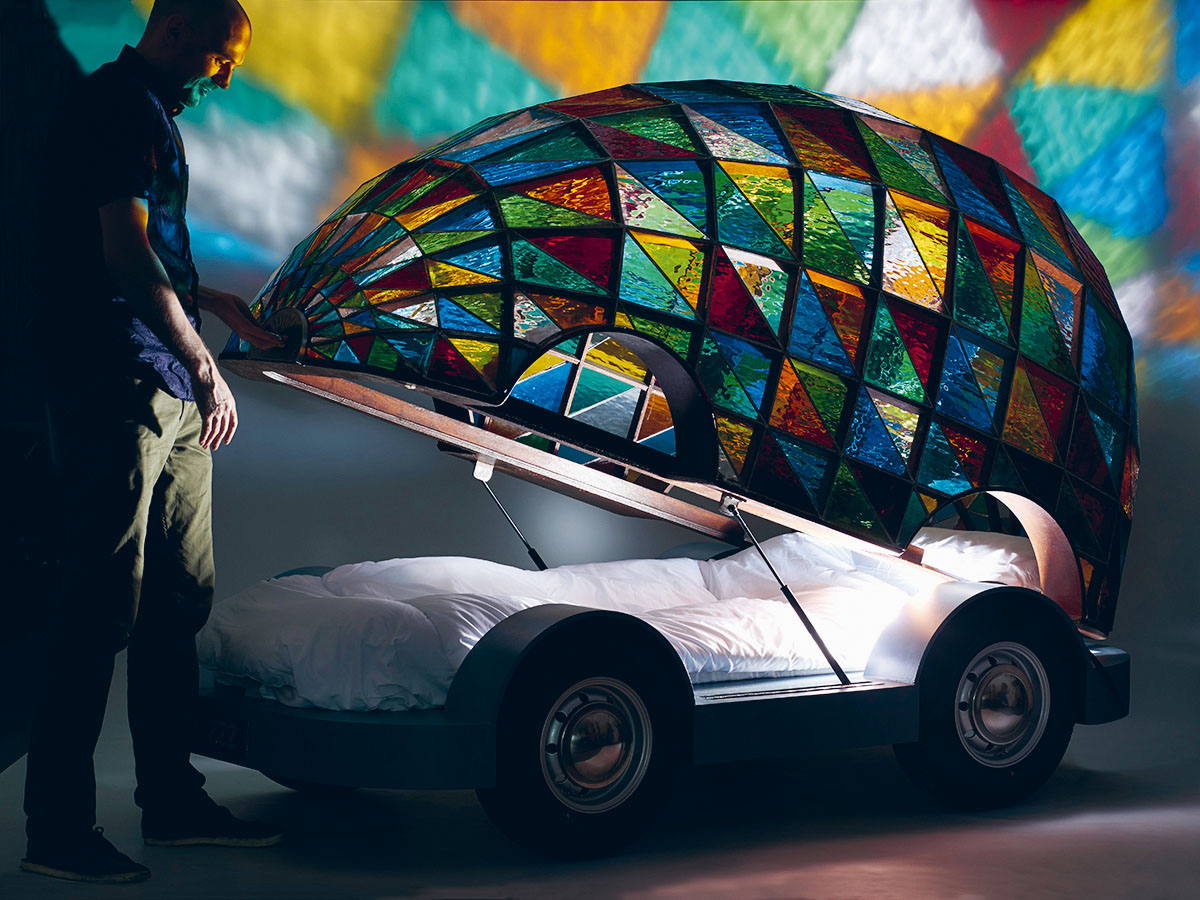
Dri­ver­less sleep­er car of the future, Dominic Wilcox

The fact is, automa­tion could her­ald an age of abun­dance and free­dom from drudgery, enabling each indi­vid­ual to live a life dri­ven by one’s own intu­ition. UBI is a good idea, with seri­ous poten­tial, but the details of its imple­men­ta­tion are key to how trans­for­ma­tive it can be. There is a dan­ger that it would be used mere­ly as a crutch to prop up an illog­i­cal sys­tem and rely­ing on it would fail to tack­le the fun­da­men­tal set of rela­tion­ships of class and own­er­ship through­out soci­ety. More rad­i­cal redis­trib­u­tive poli­cies are required, such as nation­al prof­it shar­ing of pub­licly-owned util­i­ties. If the large major­i­ty of indus­tri­al process­es that keep soci­ety run­ning become com­plete­ly auto­mat­ed, then these will have to enter the com­mons to pro­tect against inequal­i­ty. All prof­it is col­lec­tive­ly produced—as even pri­vate enter­prise ­ben­e­fits from pub­lic works like the infra­struc­ture of pub­lic waste man­age­ment or road­ways for transportation—and all indus­tries must acknowl­edge this truth. Huge­ly prof­itable com­pa­nies would grind to a halt if the low­er paid work­ers around them ceased to per­form their roles. Their streets and offices would fill with garbage, their food stores would run emp­ty, their pack­ages would pile atop one anoth­er, unde­liv­ered. It is only through the main­te­nance of soci­ety by all par­tic­i­pants that any­body has the oppor­tu­ni­ty to inno­vate in the first place. UBI must also not be used to sweep away oth­er wel­fare pro­grams. It must be lever­aged to reduce the influ­ence of mar­ket forces on our lives, not strength­en them by allow­ing the con­tin­ued march of com­mod­i­fi­ca­tion of basic ser­vices. The more that automa­tion advances, the more we have the col­lec­tive oppor­tu­ni­ty to reimag­ine what our days look like and how we choose to move through the world.

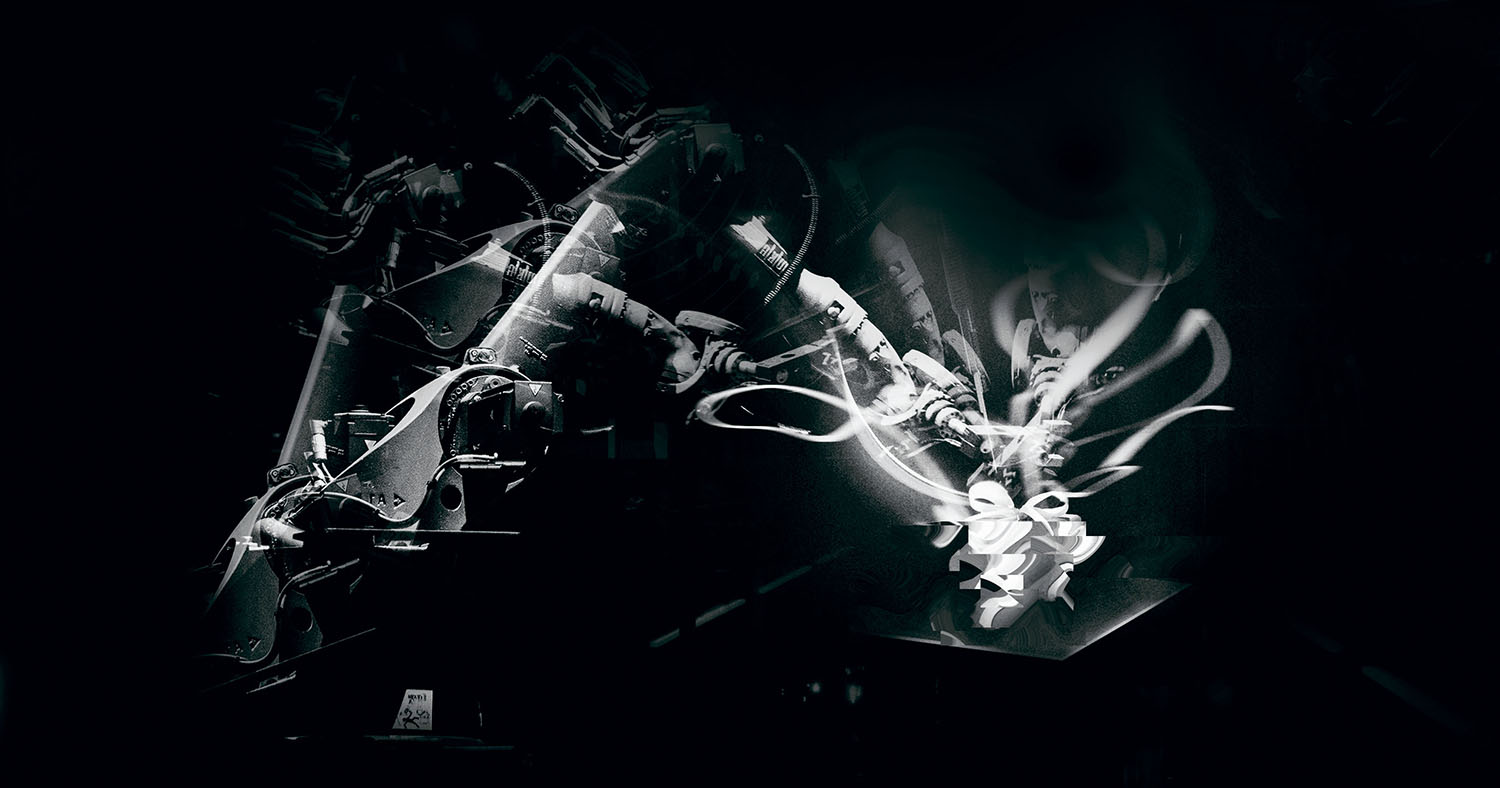
PCH robot­ic manufacturing
Load more