Categories
Depart Reevaluating Economics

Invest in Baseline Empowerment

Depart from wealth amass­ing wealth. Degrowth is the way to go, espe­cial­ly in overde­vel­oped coun­tries. We can reroute wealth in a sim­i­lar way to how plants grow, from the very bot­tom upward.

In 2010, about 500 peo­ple rep­re­sent­ing 40 coun­tries con­vened in Barcelona for the Sec­ond Con­fer­ence on Eco­nom­ic Degrowth for Eco­log­i­cal Sus­tain­abil­i­ty and Social Equi­ty. The focal point of this gath­er­ing con­cerned how to inten­tion­al­ly “degrow” the glob­al economy—in oth­er words, reduce the dele­te­ri­ous effects of a mis­aligned eco­nom­ic system—through over­hauls in sec­tors like food, hous­ing, and trans­porta­tion.15

The degrowth move­ment pro­pos­es that down­siz­ing the role and impact of the econ­o­my will offer a sound response to curb cli­mate change. The argu­ment goes: the less mate­r­i­al wealth we feel we need to have, the bet­ter off our well-being will be.16 This shift in our pri­or­i­ties will require greater atten­tion direct­ed toward pub­lic ser­vices. With an increase of access to pub­lic wealth, col­lec­tive co-cre­ativ­i­ty will have a sig­nif­i­cant­ly bet­ter shot at suc­cess. We also believe this invest­ment in base­line empow­er­ment will open up a wide new range of innovations.

“We can be what­ev­er we have the courage to see.” — Alexan­dria Oca­sio-Cortez & Avi Lewis

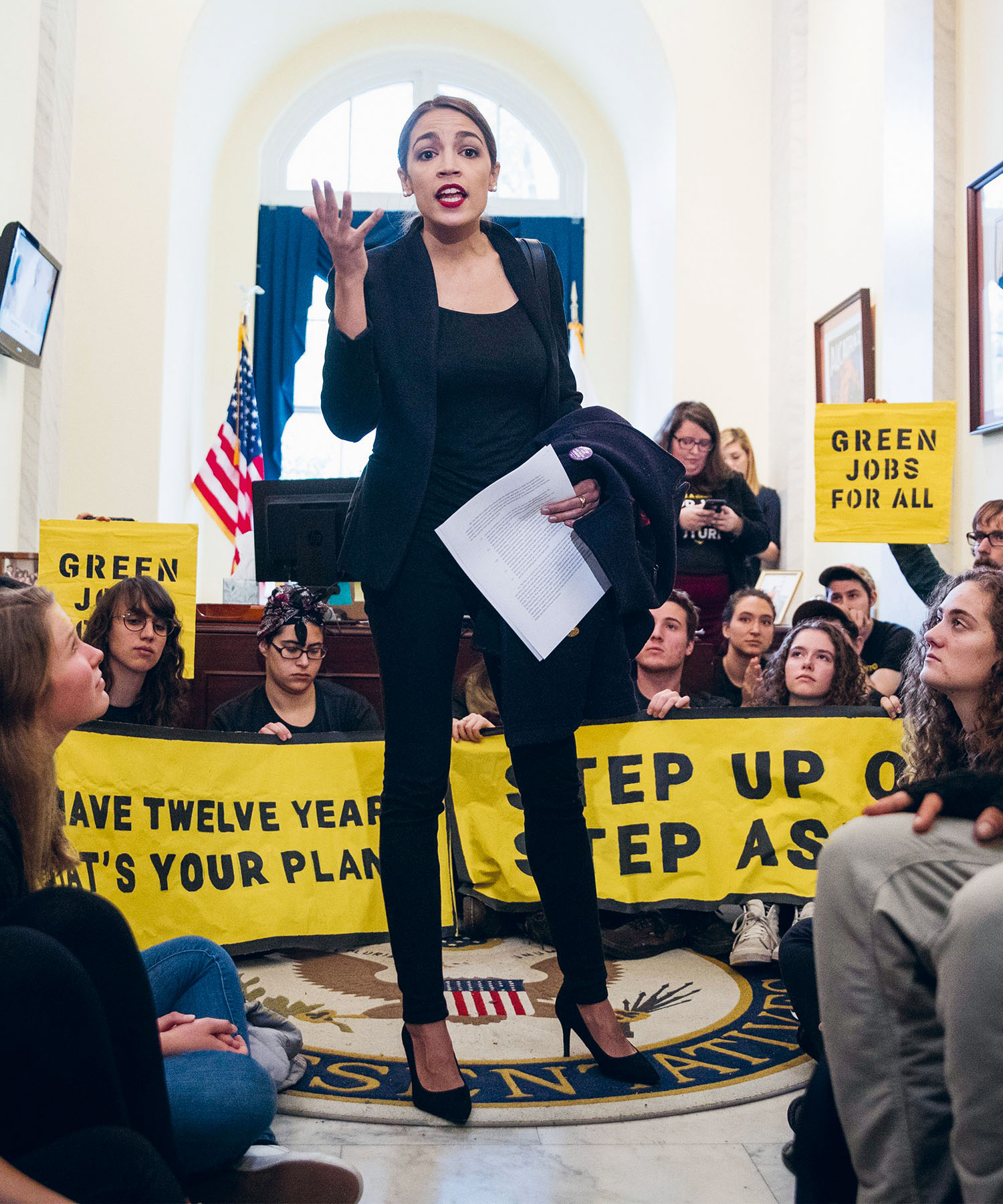
In the short film, A Mes­sage From the Future With Alexan­dria Oca­sio-Cortez, the audi­ence is told to imag­ine a future after the Amer­i­can gov­ern­ment enacts the Green New Deal.17 For right now, the Green New Deal is still just pro­posed leg­is­la­tion designed to address cli­mate change and eco­nom­ic inequal­i­ty through sys­temic trans­for­ma­tions of trans­porta­tion, man­u­fac­tur­ing, and social con­tracts in Amer­i­ca. Inspired by Pres­i­dent Franklin D. Roosevelt’s New Deal—that cre­at­ed pub­lic works projects as well as social and eco­nom­ic reforms in response to the Great Depression—the Green New Deal looks to, for exam­ple, cre­ate new union jobs to restore wet­lands, to install a uni­ver­sal child­care ini­tia­tive, and to insti­tute increased wages for teach­ers and health­care work­ers. Pro­po­nents of the pro­posed leg­is­la­tion feel this will help ensure a more sus­tain­able, and dig­ni­fied, future soci­ety. One of the big aims of the Green New Deal is to over­come fear-based deci­sion-mak­ing with the pow­er­ful force of shared purpose.

“Ham­p­den Boat”

We can already see oth­er opti­mistic inno­va­tions on the hori­zon. Effi­cient and var­ied mobil­i­ty choic­es, rang­ing from autonomous pods for short dis­tance, to high speed fric­tion­less rail lines for long dis­tance trav­el, will offer peo­ple the abil­i­ty to no longer own cars the way most of us are forced to now. In addi­tion, ideas are being dis­cussed to shift eco­nom­ic levers from com­mon, preda­to­ry prac­tices into uplift­ing mech­a­nisms. Some of these pro­pos­als include con­cepts like a robust pub­lic fund that would make col­lege edu­ca­tion free and rid the work demands required to pay back cum­ber­some stu­dent loans.

Alexan­dria Oca­sio-Cortez joins an envi­ron­men­tal sit-in, Sarah Sil­biger, 2018

If we can bring this pool­ing of resources into exis­tence, soci­ety will ben­e­fit from a much larg­er group of informed, inspired, and skilled cit­i­zens. Uni­ver­sal income might also become a means of sub­si­diz­ing costs of liv­ing and, simul­ta­ne­ous­ly, short­en­ing the hours in the work week. Automa­tion and Extend­ed Intel­li­gence will also con­tin­ue to help increase pro­duc­tiv­i­ty along indus­tri­al lines. Once these inno­va­tions are firm­ly in place, work­ers will be able to invest more time into activ­i­ties that ele­vate qual­i­ty of life, like time spent pur­su­ing pas­sions, fur­ther­ing edu­ca­tion, or enjoy­ing time with loved ones. A recent study con­clud­ed that the aver­age work­er derives psy­cho­log­i­cal ben­e­fits from about two hours of work a day. After that thresh­old, there’s a dimin­ish­ment of returns. It’s obvi­ous that work­ing too much results in more stress, burnout, and oth­er harm­ful effects.18 There are more ben­e­fi­cial ways to arrange our schedules.

The case for work­ing less hours in the week feels rel­a­tive­ly easy to make. The big­ger chal­lenge is fig­ur­ing out how to share the impor­tance of liv­ing in con­gru­ence, with degrowth prin­ci­ples in all areas of dai­ly life. That change requires ask­ing some big ques­tions like: do we real­ly need to be dri­ving in cars and fly­ing in air­planes that burn gas? How else will we get to work, or school, or vis­it fam­i­ly when we don’t all live and work in the same place? While there are def­i­nite­ly com­pelling answers to these ques­tions (rang­ing from emerg­ing exper­i­ments with hydro­gen pow­er all the way to the more far-out notion of fifth-dimen­sion­al tran­sit) today’s pub­lic infra­struc­ture doesn’t yet sup­port a dif­fer­ent lifestyle. Pub­lic funds are still being spent to expand and main­tain road­ways rather than replace pow­er plants with micro-grids. Yet, as the con­ver­sa­tion around sus­tain­abil­i­ty spreads through­out the world, we will begin to find more pro­posed ideas which, we hope, will trans­late into cor­re­spond­ing ini­tia­tives, leg­is­la­tion, and ulti­mate­ly regen­er­a­tive results.

One cur­rent exam­ple that can push soci­ety toward sus­tain­abil­i­ty is invest­ing in clean ener­gies. The clean ener­gy sec­tor, with all the new jobs that it will cre­ate, offers inspi­ra­tion for a larg­er trend of pro­duc­ing val­ue while lim­it­ing neg­a­tive byprod­ucts. We need more con­crete strate­gies to lim­it the excess­es of our cur­rent cap­i­tal­ist sys­tems. The way to cre­ate greater sup­port for these strate­gies is to con­tin­ue to appeal to the pos­i­tive impact on all who participate.

Grass­roots move­ments work because they gal­va­nize peo­ple to par­tic­i­pate in activism to pro­tect col­lec­tive, human inter­ests. These move­ments mobi­lize the pow­er of com­mon­al­i­ty. Bot­tom-up cre­ativ­i­ty works because there’s a strong moti­va­tion com­ing from the core of where an ini­tia­tive begins. These are the prin­ci­ples that we believe will under­pin the suc­cess­ful move toward degrowth and fos­sil fuel decou­pling. We must con­tin­ue to look toward inno­va­tions that pro­vide the great­est ben­e­fit to the par­tic­i­pants involved in each cor­re­spond­ing movement.

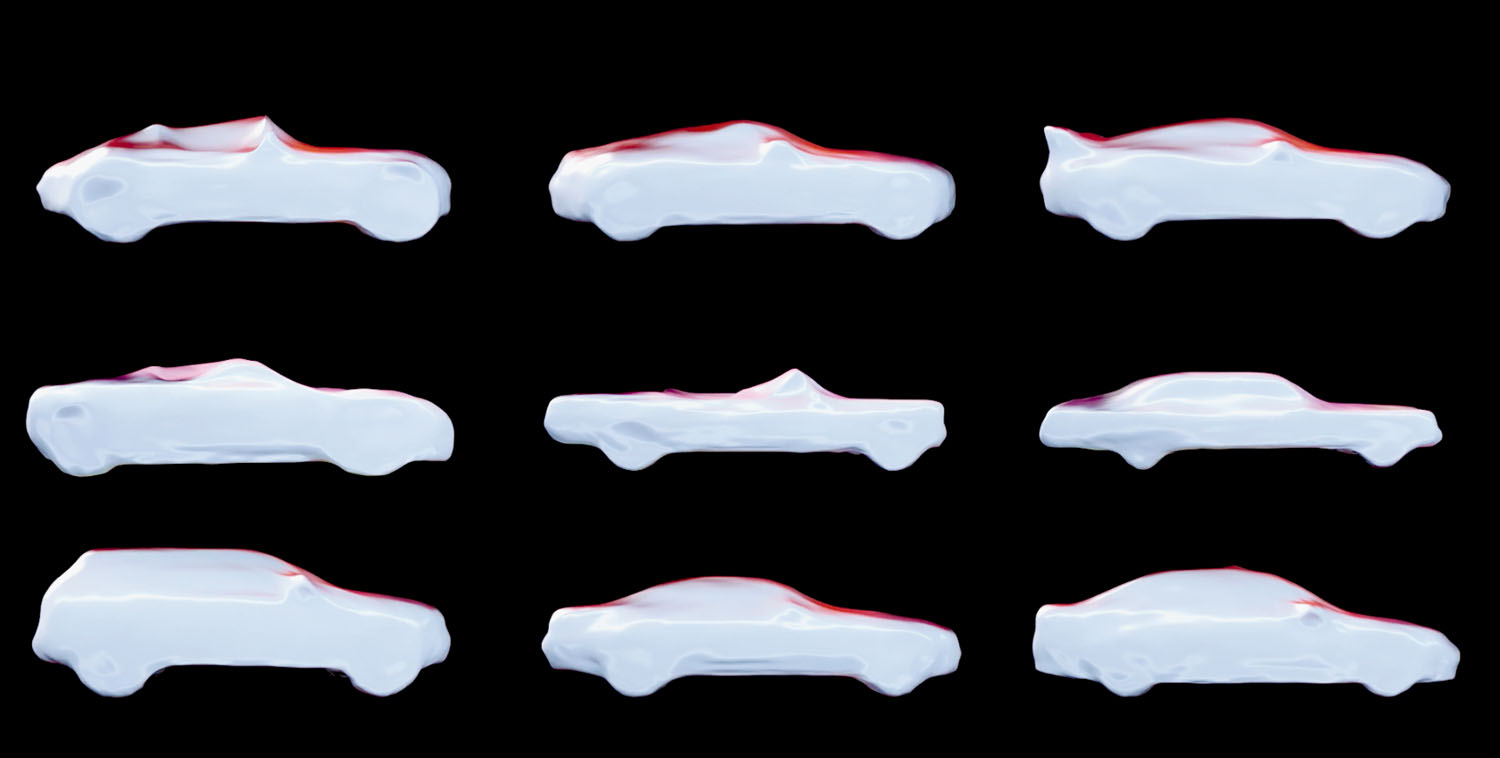
“Blank Com­pose”, a 3D Gen­er­a­tive Adver­sar­i­al Net­work (GAN) by PCH and Waltz Binaire
Load more