Categories
Unify Prana Power

Placing the Levers of Control in the Hands of the People

Democ­ra­cy works when all peo­ple are includ­ed. Con­cen­trat­ed pow­er too often leads to oppres­sion. Only the checks and bal­ances offered by a civi­cal­ly-engaged pop­u­lace can cre­ate effec­tive safe­guards for the integri­ty of democracy.

The basic idea of “rule by peo­ple” has often come with trou­bling caveats in its appli­ca­tion. The prob­lem tends to arise from deci­sions about who we count as “peo­ple” in this equa­tion. It’s often been the case that women, eth­nic minori­ties, or the poor have found them­selves exclud­ed from the offi­cial polit­i­cal process­es of state. It has only been through rad­i­cal polit­i­cal activism and immense self-sac­ri­fice that these groups have claimed their rights. But even today, the bat­tle is still far from over. 

Even in nations with sup­posed equal rights under law, dis­en­fran­chise­ment seems to find a way. Peo­ple want to have a say in their own gov­er­nance. Robbed of this right, it is inevitable that those who are mar­gin­al­ized will even­tu­al­ly fight for their right to be includ­ed. Free and fair elec­tions are the bedrock for any sound soci­ety. Coer­cion, manip­u­la­tion, and cor­rup­tion will always threat­en to under­mine the abil­i­ty for peo­ple to leg­is­late their own pow­er. Deci­sion-mak­ing should not be con­trolled by those with access to the influ­ence of spe­cial inter­ests groups. Deci­sions that have wide­spread effects need to include wide­spread participation.

Rep­re­sen­ta­tive democ­ra­cy requires deep pub­lic trust in insti­tu­tions. Democ­ra­cy, like any rela­tion­ship between mul­ti­ple par­ties, can only func­tion effec­tive­ly with trust. The rela­tion­ship we have with our elect­ed lead­ers must be gen­uine­ly trust­wor­thy as well. Why are peo­ple in polit­i­cal office so often guilty of the very same vices they admon­ish? What’s more, the talk­ing points of can­di­dates so often feel rehearsed and over­sim­pli­fied. Yes, peo­ple want a mes­sage, but more impor­tant­ly, peo­ple want their water to be clean and drink­able and their schools to be safe and inspir­ing. The con­tin­u­al fail­ure of gov­ern­ment to act in the inter­ests of the peo­ple has now erod­ed pub­lic trust. The result­ing back­lash has led to wide-rang­ing attempts to dis­man­tle such seats of authority.

This response is not nec­es­sar­i­ly a bad thing. The whole­sale change we need to opti­mize our civ­i­liza­tions may very well require rebuild­ing from the foun­da­tions up. The frame­work we use in this process of decon­struc­tion will heav­i­ly influ­ence the vision for what comes next.

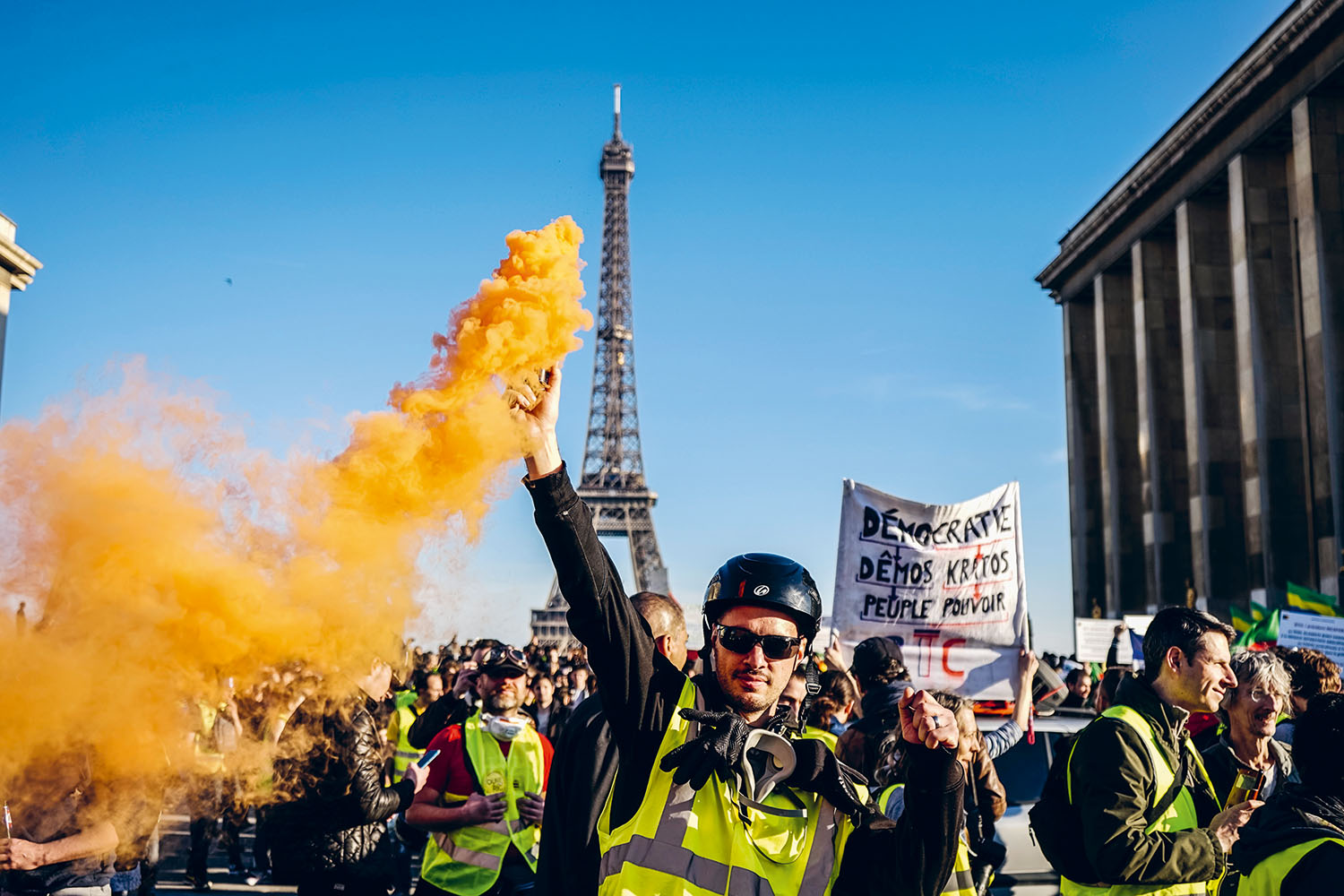
Gilets Jaunes, Nor­bu Gyachung, 2019
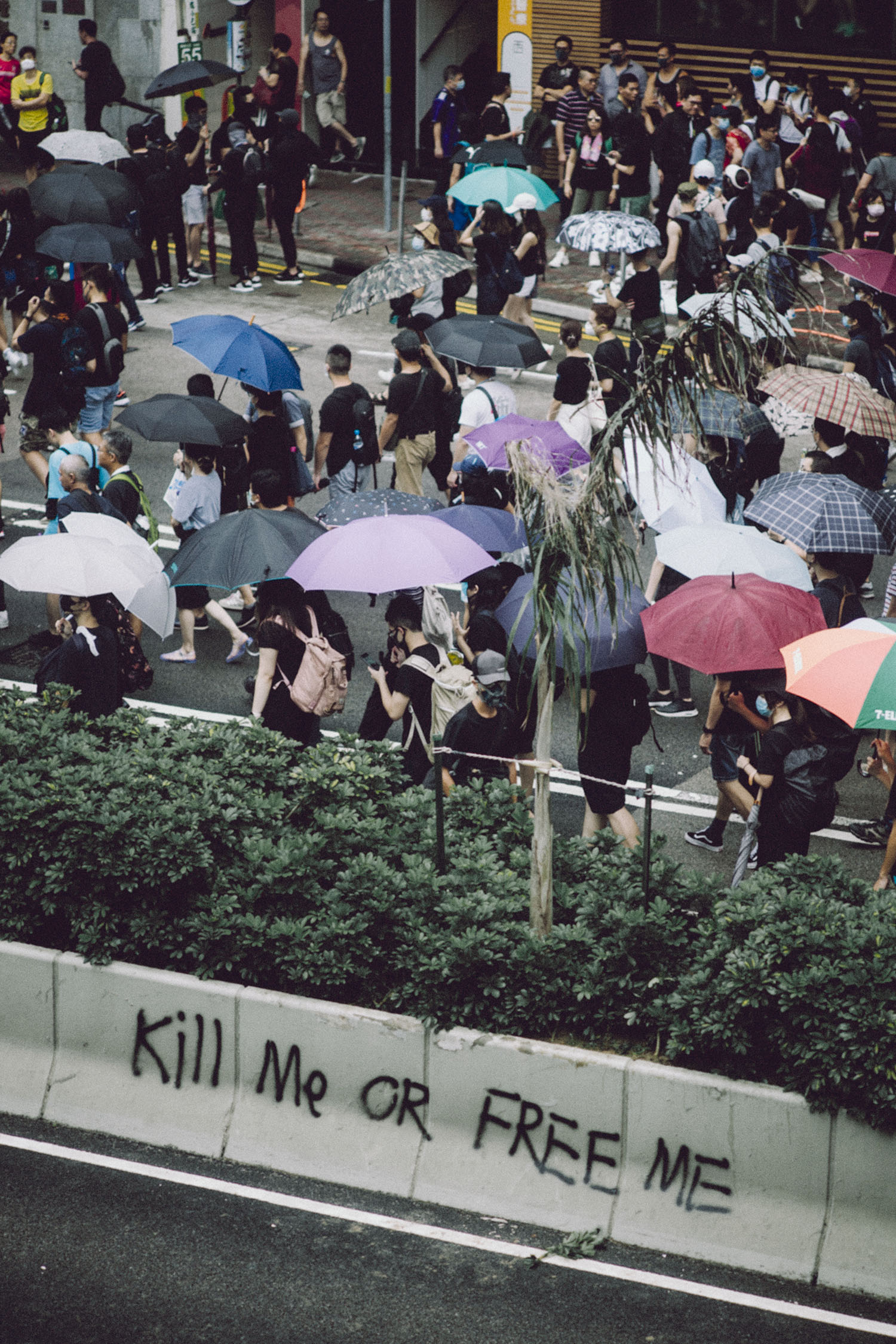
Hong Kong protest graf­fi­ti, Joseph Chan, 2019

As we envi­sion mod­els for com­mu­ni­ties with greater par­tic­i­pa­to­ry pow­er, we can learn much from how pow­er is shared with­in peace­ful soci­eties. Many peace­ful soci­eties fea­ture non-strat­i­fied rela­tions between indi­vid­u­als. In the Semai tribe of Malaysia, when one per­son has more than the oth­ers, that indi­vid­ual is com­pelled to share amongst the set­tle­ment. Peo­ple also learn to not ask for more than some­one can give. Anthro­pol­o­gy calls a soci­ety with no for­mal lead­er­ship “acephalous”, which comes from the Greek word for “head­less”. A more egal­i­tar­i­an soci­ety can expand in a mod­el based on that foundation.

“World peace must devel­op from inner peace. Peace is not just mere absence of violence.Peace is, I think, the man­i­fes­ta­tion of human com­pas­sion.” — Dalai Lama

Crim­i­nol­o­gy, the sci­en­tif­ic study of crimes and crim­i­nals, often looks at the indi­vid­ual cir­cum­stances that helped cause or pre­vent a spe­cif­ic crime, not at the prob­lem of crime on a sys­temic lev­el. In an 1997 arti­cle from the Jour­nal of Crim­i­nal Jus­tice, Explain­ing the absence of vio­lent crime among the Semai of Malaysia: Is crim­i­no­log­i­cal the­o­ry up to the task?, the author, Geof­frey Moss, looked at how the Semai “appear to have uni­ver­sal­ly social­ized their mem­bers to react to poten­tial­ly vio­lent sit­u­a­tions (i.e., frus­trat­ing stim­uli) with a fear response that inhibits them from com­mit­ting vio­lent crim­i­nal acts.”2 In addi­tion, the paper acknowl­edged that crim­i­nol­o­gy has yet to even address this abil­i­ty to pre­vent violence.

“There is no author­i­ty here but embar­rass­ment.” — Semai Tribe

To col­lec­tive­ly social­ize a self-imposed pro­hi­bi­tion of com­mit­ting wrong­do­ing would help not just with crime, but also with cre­at­ing mean­ing­ful con­nec­tions between indi­vid­u­als. Eco­nom­ic motives for com­mit­ting crime are also large­ly non-exis­tent among the Semai as what is need­ed can sim­ply be asked for. The actions that emerge from this soci­etal set­up are inher­ent­ly more egal­i­tar­i­an as the abil­i­ty to share equal oppor­tu­ni­ties and rights becomes the defin­ing attribute of their soci­etal composition.

A new uni­fy­ing soci­etal frame­work will be strength­ened by acknowl­edg­ing the inher­ent capa­bil­i­ty of peo­ple to share resources. More­over, lever­ag­ing the pos­i­tive pow­er of trust—as much as the neg­a­tive ener­gy asso­ci­at­ed with wrongdoing—will serve to give com­mu­ni­ties greater author­i­ty for tak­ing care of the group and one anoth­er. Mech­a­nisms of self-con­trol trans­late to a more advan­ta­geous­ly self-reg­u­lat­ed soci­ety. The more involved we become in our com­mu­ni­ties, the more respon­si­ble we feel for what we con­tribute and, sub­se­quent­ly, the more good we can accomplish.

Load more