Categories
Unify Individual & Collective Wellbeing

One’s Own Joy Resonates With Collective Joy

The change we want soci­ety to ben­e­fit from can­not be achieved in iso­la­tion. Large-scale trans­for­ma­tion requires the inte­grat­ed efforts of indi­vid­u­als uni­fy­ing in demand for dig­ni­ty everywhere.

“We for­ward in this generation­ / Tri­umphant­ly / Won’t you help to sing / These songs of freedom?”
— Bob Mar­ley, “Redemp­tion Song”, 1980

“Won’t you sing with me these songs of freedom”

The more that peo­ple con­tribute to a giv­en cause, the more atten­tion it receives, and the more momen­tum that cause gets to push for change. With­in any com­mu­ni­ty com­mit­ted to its cause, work­ing well with oth­ers requires self-reflec­tion. To under­stand some­one else, we have to already have made space for our­selves to access and process our emo­tions. The very per­son­al feel­ings we expe­ri­ence are also avail­able en masse.

As each of us strives along the moral arc of the uni­verse, we participate—whether we’re aware or not—in a greater group effort. The sen­sa­tion of being con­nect­ed to a big­ger pur­pose can often come about dur­ing intense moments of per­son­al tran­si­tion. Our own inde­pen­dent jour­neys are actu­al­ly all interconnected.

To acknowl­edge how the changes we encounter per­son­al­ly, reflect the changes that soci­ety can engen­der, leads to a process for devel­op­ing and main­tain­ing healthy rela­tion­ships. Along a uni­fied and uni­ver­sal path of per­son­al and species-wide evo­lu­tion, we come to under­stand how we all share our col­lec­tive fail­ures as well as our col­lec­tive suc­cess­es. The feel­ings we expe­ri­ence are not strict­ly con­tained inside of our own bod­ies. These feel­ings rever­ber­ate out­ward. The joy we expe­ri­ence in our own lives fuels a greater sense of joy in the world.

Cre­at­ing con­nec­tions with oth­ers who might hold dif­fer­ent inter­ests or val­ue sys­tems can help fur­ther con­tribute to this pro­found sense of shared expe­ri­ence. The more we can find com­mon ground among one anoth­er, the more mean­ing we can mine, and the more cooperative

Bal­let in Cen­ten­ni­al Park, Syd­ney, Max Dupain, 1939
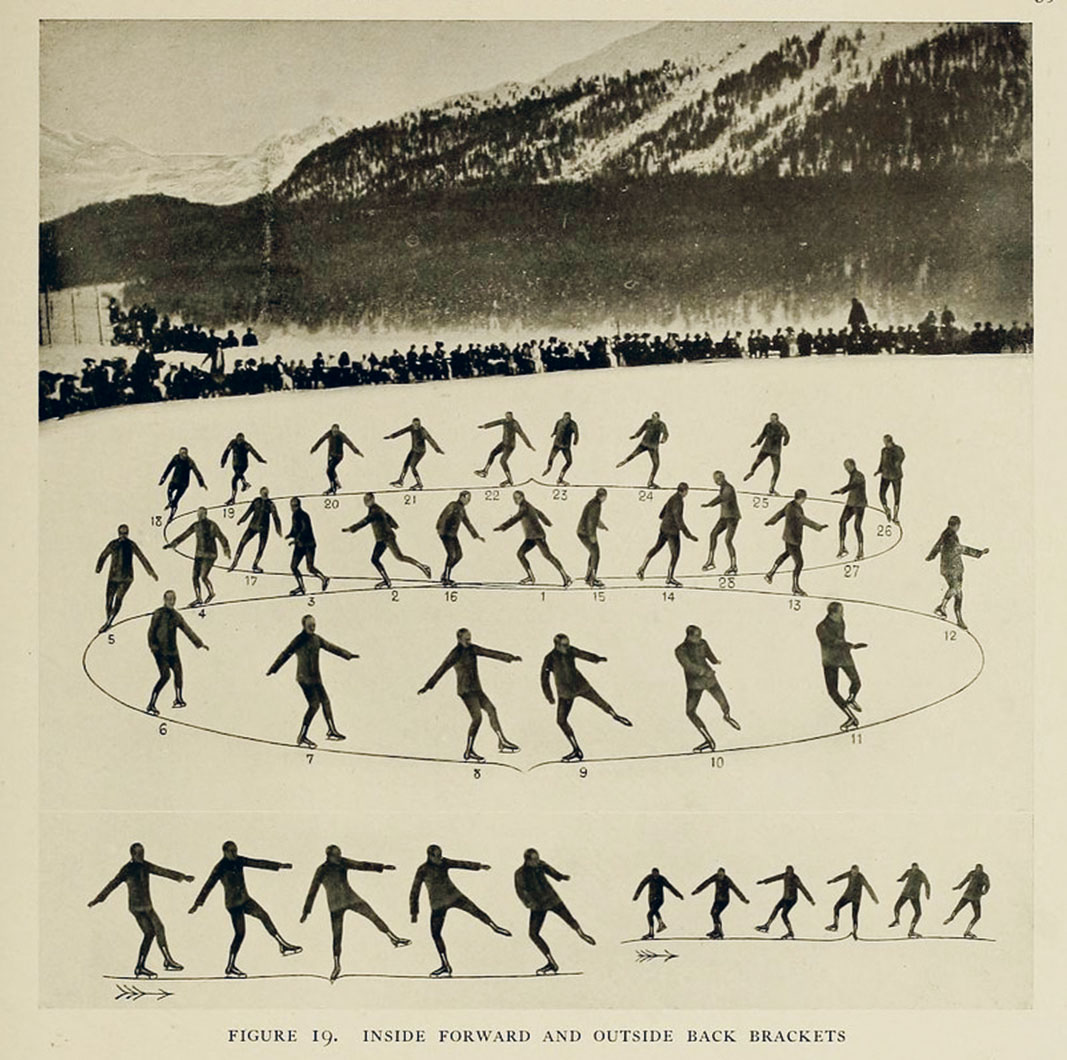
“Skat­ing with Bror Myer”, 1921
“Sta­tus Update”, Haris Nukem

civ­i­liza­tion can become. In past cen­turies, and in many places still, the term “civ­i­liza­tion” has been wield­ed like a sword against indige­nous cul­tures by those attempt­ing to wipe out ancient tra­di­tions. Yet, this destruc­tive­ness in the form of impe­ri­al­ism, goes against every­thing meant by the def­i­n­i­tion of civ­i­liza­tion. If we wish to advance as a species through means of diver­si­ty, equal­i­ty, and inclu­sion, we must reclaim the term civ­i­liza­tion as a col­lec­tive set of empow­er­ing con­di­tions that accounts for, and sup­ports, everyone.

In this effort, we have to be care­ful how we define uni­fi­ca­tion. It can’t go how it went in the past, when rulers cam­paigned through vio­lence to force peo­ple to live under their rule. In the com­ing years, we want to posi­tion non­vi­o­lence as the most effec­tive tac­tic for large-scale change. Con­verg­ing our ener­gies around just caus­es will rep­re­sent the new form of uni­fi­ca­tion. In this way, pos­i­tiv­i­ty will take shape as a new meta-par­a­digm. Through acknowl­edg­ing a col­lec­tive call­ing for pos­i­tive change and becom­ing bet­ter col­lab­o­ra­tors, we believe that human­i­ty will learn to adopt a more far-see­ing per­spec­tive that access­es the wis­dom of ancient cul­tures while simul­ta­ne­ous­ly look­ing into our future potential.

Load more