Categories
Unify Individual & Collective Wellbeing

Consider How We Refer to One Another

Broth­er, sis­ter, friend… Re-con­tex­tu­al­iz­ing the lan­guage we use to describe rela­tion­ships between peo­ple can help repair the dam­age of dis­trust that leads to sep­a­ra­tion and isolation.

The way we refer to strangers shapes how we think about these peo­ple we don’t know. If we use neg­a­tive terms, we hold neg­a­tive thoughts, and we cre­ate neg­a­tive asso­ci­a­tions. If we give peo­ple the ben­e­fit of the doubt, and say to our­selves, for instance, “I would like to know more about that per­son who I’m con­nect­ed to through the com­mon­al­i­ty of exis­tence,” then we can cre­ate kinder con­di­tions in which to interact.

In Nepal, one address­es any oth­er man or woman who is not a fam­i­ly-mem­ber as broth­er or sis­ter. Bai or dai, the words for a boy or man not relat­ed by blood or mar­riage, trans­lates to either “lit­tle broth­er” or “big broth­er”. Sim­i­lar­ly, bahi­ni or didi, the respec­tive words for girl or woman, exist­ing out­side of famil­ial rela­tions, trans­lates to “lit­tle sis­ter” or “big sis­ter”. Espe­cial­ly for non-native-Nepali speak­ers, using these terms makes us con­sid­er their mean­ing and sig­nif­i­cant­ly shapes how one thinks of the rela­tion­ships between appar­ent strangers. The effect is one of bridg­ing gaps between peo­ple by reveal­ing the human bond that exists between all of us.

In var­i­ous pro­gres­sives preschools across Amer­i­ca, the teach­ers refer to all the chil­dren as friends. In this way, there’s no for­mal sep­a­ra­tion between chil­dren. And not only are they all equal­ly respect­ed as chil­dren, they are more than that, they sym­bol­ize a com­mu­ni­ty based on friend­ship. These sim­ple adjust­ments help us to see those new or strange to us not as some­one to reflex­ive­ly draw away from, but as some­one to engage, anoth­er mem­ber of the human fam­i­ly we all belong to who we have yet to meet.

By choos­ing names for one anoth­er that speak to rela­tion­ships that resem­ble fam­i­ly struc­tures, or acknowl­edg­ing that any stranger can become a friend, we change our mind­set and atti­tude to become more recep­tive toward oth­ers. Lan­guage shapes our real­i­ty, and great­ly influ­ences the sto­ries we tell about our­selves and the world. In Eng­lish, we have a prob­lem in which we empha­size nouns and adjec­tives too much. This leads to a mis­con­cep­tions, like, for exam­ple, we are what our age is or that we are what­ev­er con­di­tion we’re expe­ri­enc­ing (I am a forty-year-old. I am hun­gry. I am tired. And so forth).

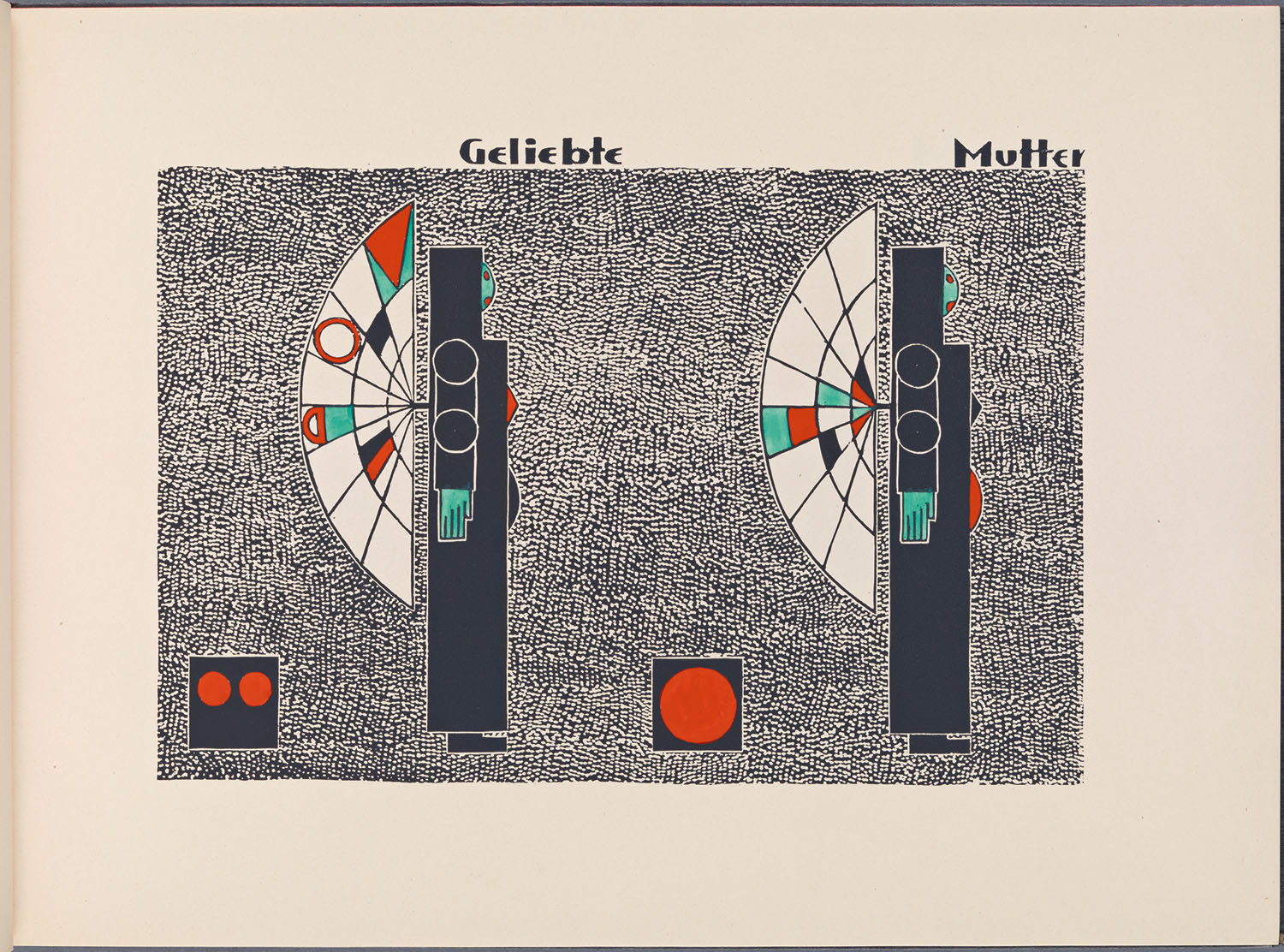
“Kreuzi­gung: Spiel­gang Werk VII”, Lothar Schrey­er, 1920
“Sig­il”, Sean Mundy, 2014

Span­ish lan­guage offers a more flu­id notion of imper­ma­nence. In Span­ish, one says: I have forty years. I have hunger. I have tired­ness. The impli­ca­tion is that what­ev­er you have now will not nec­es­sar­i­ly be what you have lat­er. Noth­ing about us is beyond change, we are ever in motion. We can learn to share respon­si­bil­i­ty and priv­i­lege by pay­ing greater atten­tion to how we speak of one anoth­er and our­selves. Rather than divide one anoth­er into cat­e­gories based on often tem­po­rary con­di­tions, we can make more con­cert­ed efforts to share and cel­e­brate our endur­ing commonalities.

By inte­grat­ing some of these tra­di­tions into our own every­day thoughts when we encounter or inter­act with strangers, we can become more com­pas­sion­ate toward one anoth­er. We can all ben­e­fit from tak­ing more care­ful con­sid­er­a­tion of how we refer to one anoth­er. When we feel agi­tat­ed and ready to insult some­one we feel has slight­ed us, we are well served to remem­ber that the per­ceived slight does not define who that per­son is. Even if we only inter­act with a stranger for a fleet­ing instant, we are still cre­at­ing a con­nec­tion in that shared moment. The more we can hon­or that con­nec­tion and sub­vert a ten­den­cy to put up a bar­ri­er between our­selves from oth­ers, the rich­er our expe­ri­ences will become.

Load more