Categories
Rebuild Economics of environmental stewardship

Replenishment with a Gentle Touch

If we are to secure a sus­tain­able future, inno­va­tion must turn itself to the project of regeneration.

The envi­ron­men­tal dam­age we have done over the last 200 years must be reversed as soon as pos­si­ble. Some espe­cial­ly crit­i­cal areas of repair include the restora­tion of bio­di­ver­si­ty, refer­til­iza­tion of the soil, and the removal of green­house gas­es from the atmosphere.

Nat­ur­al ecosys­tems are del­i­cate and incred­i­bly com­plex. Because of these fea­tures, minor alter­ations can snow­ball into sweep­ing trans­for­ma­tions. In 1995, grey wolves were rein­tro­duced to rebal­ance the ecosys­tem of Yel­low­stone Nation­al Park after they were killed or dri­ven off the land back in the 1930s. The result­ing impact on the entire ecosys­tem was even more pro­found than expect­ed. Before the return of the wolves, the elk pop­u­la­tion of the park had swelled pre­car­i­ous­ly. Lack­ing one of their main preda­tors, the elk had dec­i­mat­ed much of the veg­e­ta­tion from over-graz­ing, there­by reduc­ing the bio­di­ver­si­ty of neigh­bor­ing species. With the rein­tro­duc­tion of wolves back to the area, the mere pres­ence of these preda­tors changed the behav­ioral pat­terns of the elk forc­ing them to avoid cer­tain areas. These avoid­ed areas began to explode with bio­di­ver­si­ty as the veg­e­ta­tion repaired and could begin to sup­port oth­er species once again. Each new, emerg­ing species itself trig­gered anoth­er cas­cade of changes. Notably, the resur­gence of the beaver, brought on by the abun­dance of wil­low, did won­ders in cre­at­ing suit­able habi­tats for oth­er creatures.

This sto­ry can teach us the val­ue of a light touch. Humans inter­vened to bring back the wolf and then nature did the rest of the work. We did not seek to wrest con­trol of every aspect of the ecosys­tem and micro-man­age it to our will. Some­times, the best thing we can do is just to stand back. The ele­gance of holism will serve us well. Using a whole-sys­tem per­spec­tive, we can locate the key pres­sure points that, when acti­vat­ed, can erupt into out­pour­ings of pos­i­tive change. Record­ing and track­ing the sys­tem of rela­tion­ships that deter­mine the inter­con­nect­ed­ness of all things is a momen­tous task, but one that is fun­da­men­tal to our con­tin­ued efforts at regeneration.

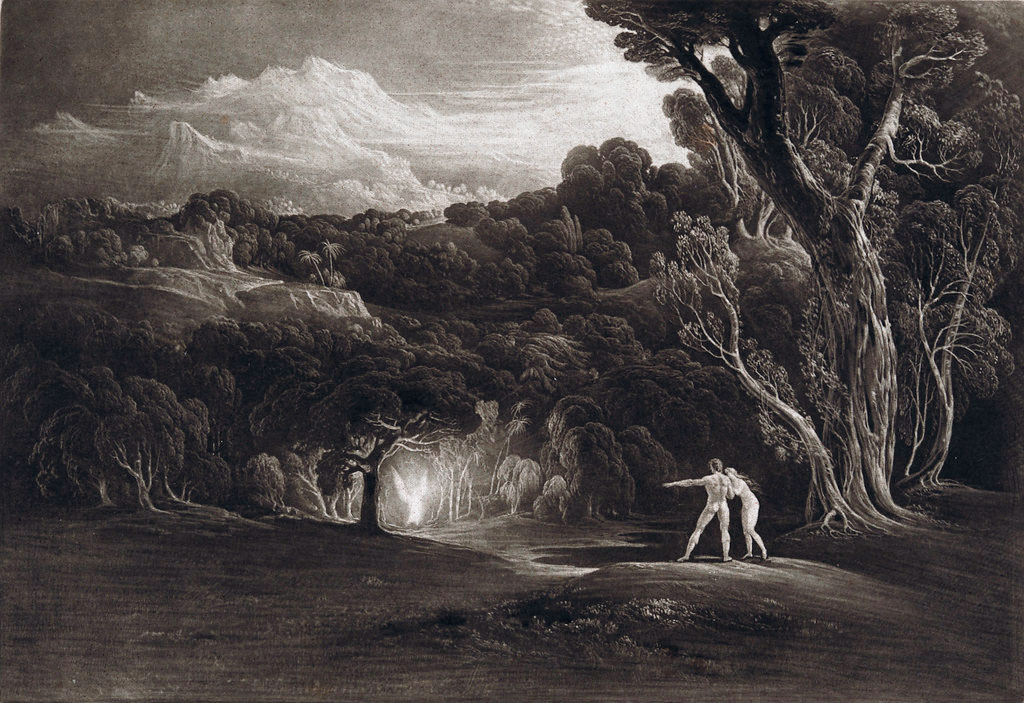
Illus­tra­tion for Par­adise Lost, John Mar­tin, 1827
Load more