Categories
Rebuild Economics of environmental stewardship

Regenerative Materials for Regenerative Structures

Nature itself presents an ide­al mod­el for inte­gra­tive design effi­cien­cy. When we learn to trans­form what remains of our waste into pro­duc­tive inputs, we can rearrange the fun­da­men­tal prob­lem of pollution.

In the future, we believe we can use regen­er­a­tive mate­ri­als as sus­tain­able alter­na­tives to car­bon-pos­i­tive and non-degrad­able mate­ri­als. In this way, we can aim to bet­ter nour­ish and sup­port the plan­et, local ecolo­gies, and our civilization’s var­i­ous economies.

Why Mate­ri­als Mat­ter: Respon­si­ble Design for a Bet­ter World by See­tal Solan­ki exam­ines what it means to live in a mate­r­i­al world, how the mate­ri­als we use affect our future, and how we can respon­si­bly reshape our world by chang­ing the ways we con­sume, man­u­fac­ture, and design.

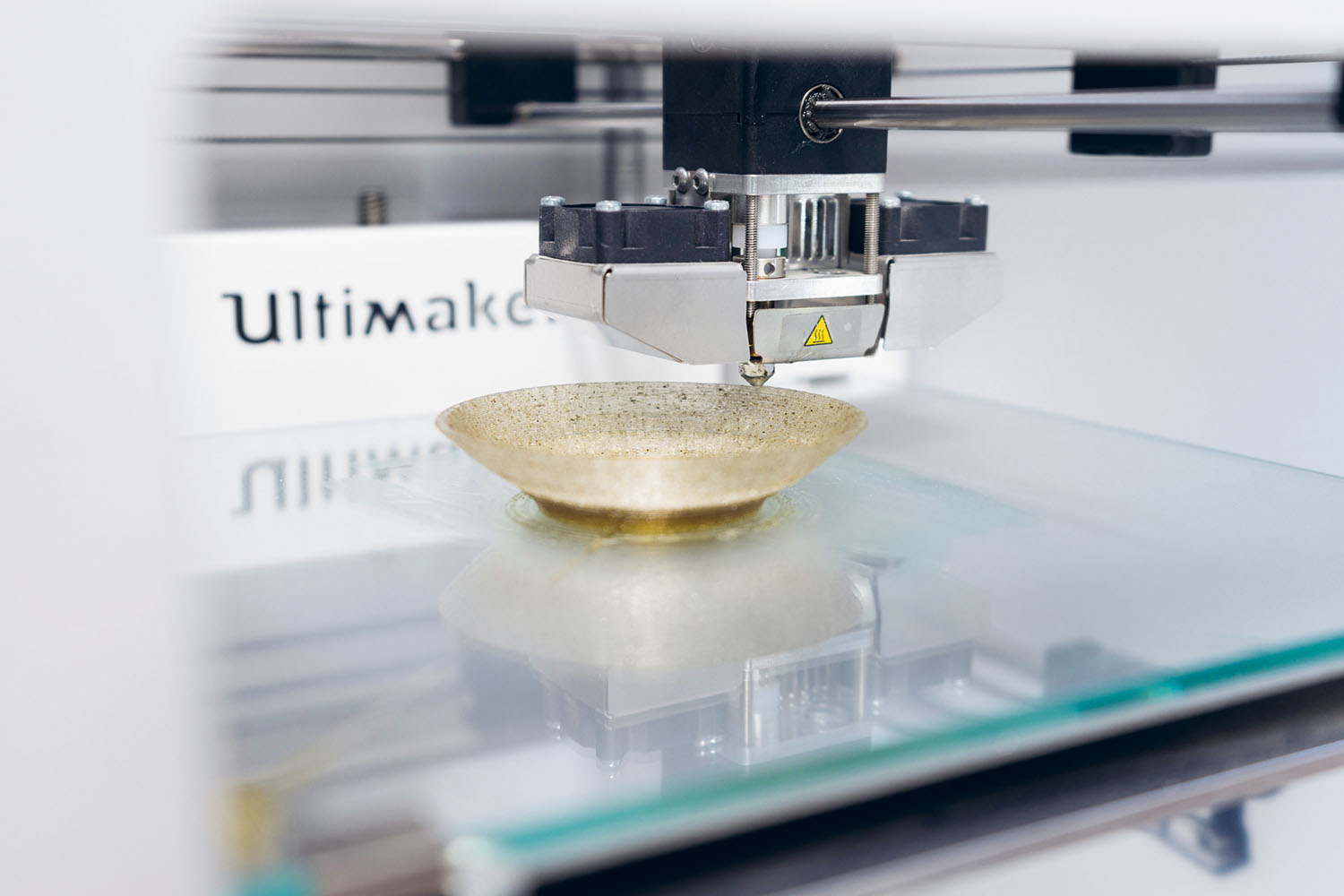
Algae bio­plas­tics print­ing, Eric Klaren­beek & Maart­je Dros

Beyond her writ­ing, Solan­ki is a founder and direc­tor of a mate­ri­als research design stu­dio and a school called Ma-tt-er. Solanki’s orga­ni­za­tion offers pub­lic talks, demon­stra­tions, and cours­es to gen­er­ate wider aware­ness as to how mate­ri­als func­tion as exten­sions of our­selves and our environment.

Ma-tt-er draws our atten­tion to the types of mate­ri­als that can be repur­posed for more respon­si­ble prod­ucts. For instance, gold can be scav­enged from dis­posed elec­tron­ic cir­cuit boards and trans­formed to cre­ate new sur­face fin­ish­es. To cut down on exor­bi­tant water use in var­i­ous pro­duc­tion dye­ing process­es, a strain of a soil-based organ­ism called Strep­to­myces coeli­col­or can act as a liv­ing pig­ment of pinks, blues, greens, and yel­lows that can be applied to dye tex­tiles like silk with lit­tle to no water required. For a sus­tain­able alter­na­tive to fiber-board, we can turn toward the com­plete­ly self-bind­ing plant source of lupin. This deci­sion would have the added val­ue of increas­ing nitro­gen in soil as the lupin grows, pro­vid­ing fer­til­iz­er for oth­er plants. Mean­while, coconut water can even replace leather as a biodegrad­able, water resis­tant, and veg­an alter­na­tive to an oth­er­wise unsus­tain­able mate­r­i­al through a process of fer­men­ta­tion and thick­en­ing of its nat­u­ral­ly-occur­ring bac­te­ria into cel­lu­lose.30

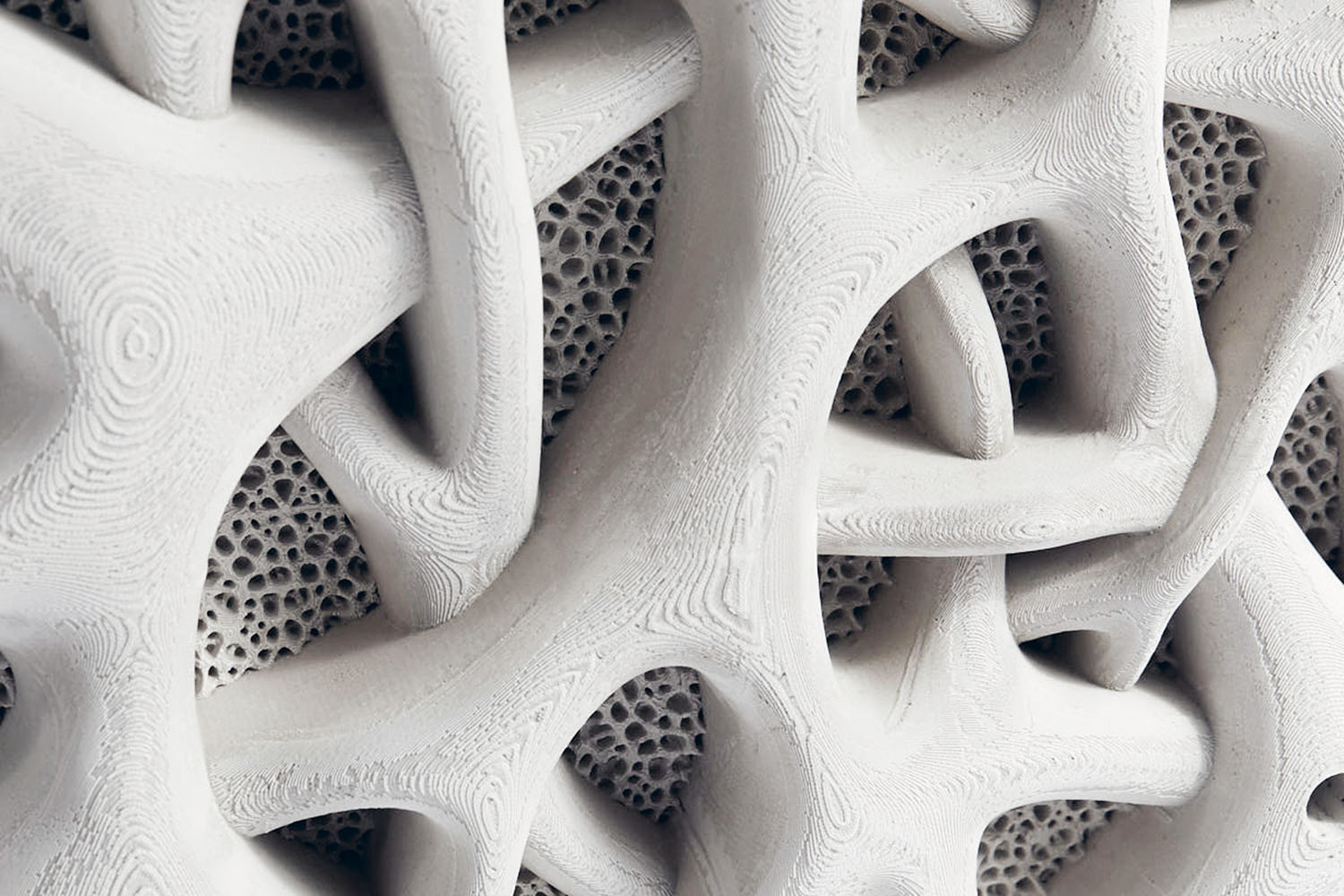
Vol­vo Liv­ing Sea­wall tiles

Many mate­ri­als that pro­vide regen­er­a­tive qual­i­ties have long been tout­ed by envi­ron­men­tal­ists for their sus­tain­able poten­tial. Locat­ed in Cam­bridgeshire, Eng­land, Mar­gent Farm has con­struct­ed open spaces on its prop­er­ty for the demon­stra­tion of the pow­er of its main crop, hemp. Along with the dynam­ic fea­tures of hemp as a mul­ti­fac­eted mate­r­i­al, the farm focus­es on rela­tion­ships with design­ers, well­ness experts, and sci­en­tists, who all share a desire to inves­ti­gate the expand­ed poten­tial of the plant. Hemp offers an exam­ple of a resource with cir­cu­lar, closed-loop poten­tial with how its growth can sequester car­bon while simul­ta­ne­ous­ly releas­ing oxy­gen to replen­ish the atmos­phere. Col­lec­tives, like Mar­gent Farm, that are com­mit­ted to grow­ing organ­ic, sus­tain­able, and envi­ron­men­tal­ly friend­ly crops will act as lead­ers in a bur­geon­ing indus­try of regen­er­a­tive materials.

The larg­er task before us is to devel­op sys­tems of pro­duc­tion and exchange that abide by sim­i­lar regen­er­a­tive properties.

Load more