Categories
Rebuild Bodies of Knowledge

Decoding the Textures of Our Emotions

It’s tough to nav­i­gate any ter­ri­to­ry with­out a map. To nav­i­gate the com­plex range of our own emo­tions and become bet­ter at self-reg­u­la­tion, first we have to under­stand our own inter­nal topography.

Much of our behav­ior occurs auto­mat­i­cal­ly, with no appar­ent agency or con­scious pur­pose. In moments of height­ened stress or emo­tion, our reac­tions become even more unthink­ing. Once a par­tic­u­lar response becomes a habit, this estab­lished pat­tern can be incred­i­bly dif­fi­cult to break. A cer­tain per­son may reg­u­lar­ly respond to crit­i­cism by becom­ing with­drawn, or they may become hos­tile and aggres­sive. With their response to this stim­u­lus like­ly engrained with­in them since child­hood, they play out the same scene over and over again with­out con­scious under­stand­ing. There is com­fort in famil­iar­i­ty, no mat­ter how destruc­tive it may be.

A num­ber of prac­tices are intend­ed to help ana­lyze and dis­rupt neg­a­tive emo­tion­al respons­es. Cog­ni­tive-Behav­ioral Ther­a­py (CBT) seeks to root out mal­adap­tive behav­ior by iden­ti­fy­ing it as such, devel­op­ing a gran­u­lar under­stand­ing of trig­gers and process­es, and ulti­mate­ly alter­ing these cog­ni­tive habits through a vari­ety of interventions.

In a sim­i­lar vein, the Dalai Lama, in his capac­i­ty as a spir­i­tu­al leader, com­mis­sioned psy­chol­o­gist Paul Ekman to cre­ate an inter­ac­tive tool enti­tled Atlas of Emo­tions.22 The Dalai Lama referred to this dig­i­tal atlas as a “map of the mind”. Sim­i­lar­ly to CBT, it involves close exam­i­na­tion of emo­tion­al respons­es. Using a base­line of five core emo­tions (anger, sad­ness, fear, dis­gust, and enjoy­ment), the tool out­lines time­lines of reac­tions to a vari­ety of stim­uli or trig­gers. For exam­ple, you may find 

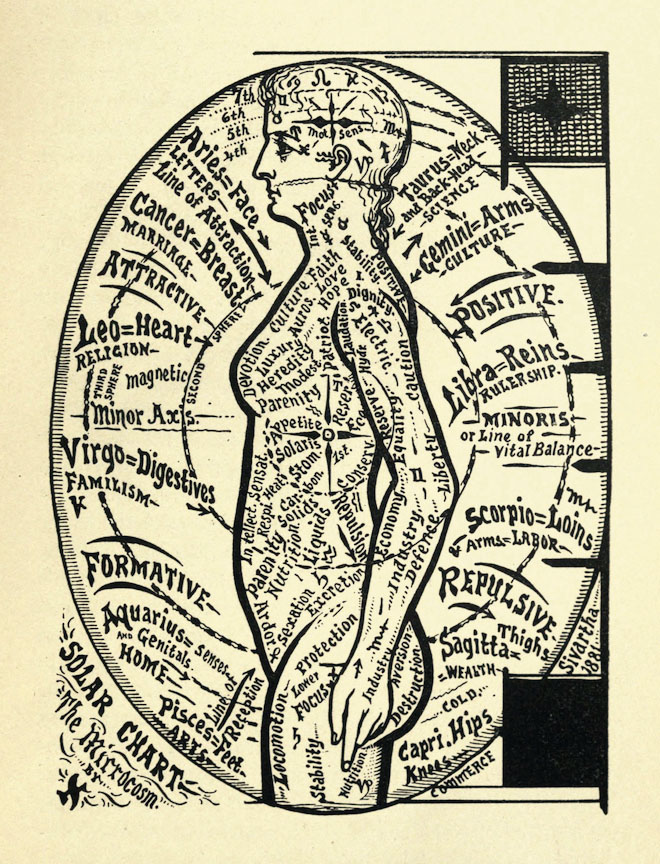
“Solar Man”, Dr Ale­sha Sivartha, 1898

your­self at odds with a friend. In response to this sud­den release of strong emo­tion from your friend, you may be remind­ed of some pre­vi­ous fig­ure in your life who treat­ed you poor­ly in their own out­bursts. As a result, you may begin to feel angry your­self, accom­pa­nied by your body tens­ing up and a sense that you are under attack. From here, there are choic­es. For one, you could opt to fire back and argue on the same height­ened lev­el as your friend. This is con­sid­ered an unhelp­ful response. A bet­ter option might be to take a time­out, allow your­self to calm down, then approach your friend from a place of emo­tion­al balance.

The Atlas of Emo­tions is intend­ed to help peo­ple con­cep­tu­al­ize their own feel­ings. It’s a guide designed to help indi­vid­u­als remem­ber to prac­tice aware­ness of their feel­ings and to use this sys­tem to gain greater con­trol of their inner lives. Hav­ing the right word to describe a par­tic­u­lar feel­ing great­ly affects how we expe­ri­ence and process that feel­ing. Once labeled, the emo­tion is demys­ti­fied, no longer just a chem­i­cal storm that takes over us, but a described phe­nom­e­non we can observe and step back from. Emo­tion­al reg­u­la­tion should be con­sid­ered part of any set of basic tools need­ed in order to com­fort­ably move around in our human bod­ies. We want to feel calm, and we want to be at peace. Learn­ing to be aware of the mer­cu­r­ial sen­sa­tions with­in us is an impor­tant step toward this goal.

Load more