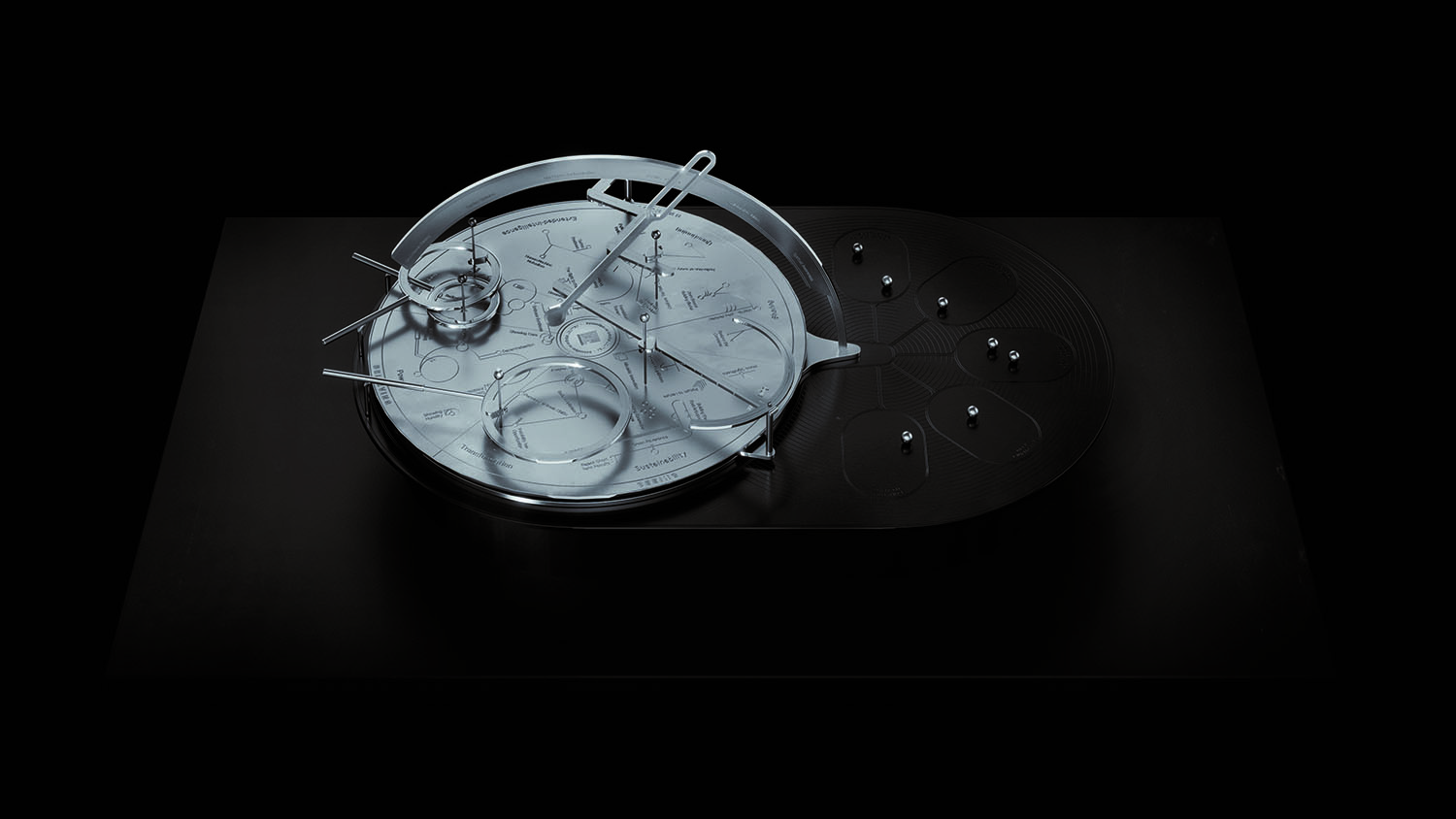
In Between
The challenge for innovation
The term “innovation” has stalled out and been appropriated by peddlers of fleeting novelty or worse. We can do better.
“As an intangible, individualistic, yet strictly white-collar trait, innovation reframes the cruel fortunes of an unequal global economy as the logical products of a creative, visionary brilliance. In this new guise, the innovator retains both a touch of the prophet and a hint of the confidence man.” — John Patrick Henry
Throughout industrialization, innovation has become increasingly a matter of technological advancement. Economic narrow-mindedness has corralled innovation for commercial ends. Innovation was co-opted as a tool for the infinite-growth machine. The last century of economic growth has been fueled by industrial activities that pollute the air we breathe and poison the water we drink. More protective policies can stop this terrible trend.
Technological innovation does not have to run counter to the challenge of climate change, it can serve as an important platform for solutions instead. As long as innovation follows an imperative of economic growth, however, it will have a hand in environmental degradation and the impoverishment of people. This is the scenario we must most ardently fight against while still upholding a vision of innovation that can help get us out of the knotted mess we’re in.
The unending cascade of technologies, products, and services sold as innovative are so often little more than incremental changes to something that already exists. This type of innovation reinforces dominant paradigms and is incapable of fundamentally altering the most meaningful conditions of society in a positive way. If we lived in a post-scarcity egalitarian society, this would not be a problem. But we do not as of yet have that luxury.
The fruits of the contemporary age seem plentiful. The shiny toys in our pockets, on our desks, or in the corners of our living rooms, are all gateways to all kinds of indulgence. Feeling hungry and lazy? A few taps is all you need to propel a pizza right to your door. Bored? Binge yourself into a state of catatonia on the latest season of a TV show. Need to get across town in a hurry? Summon a stranger from the Internet and climb into their car.
Innovation should be helping us to leap outside convention, not streamlining access to instant gratification. Human economic activity is essentially an attempt to make organizational order out of the chaos of material resources. This is performed almost uniformly across the globe in line with the tenets of capitalism, which has created an order of systemic exploitation, violence, and corruption. Innovation, as a means for radical change, therefore carries a responsibility to help undo this damaging setup.
The process of innovation is itself ethically neutral. Intent has a great deal to do with achieving innovation’s proper application. When applied to areas like war, surveillance, and interrogation, innovation can be terrifying in its destructive capacity. Human history is scarred with moments in which vast amounts of human ingenuity were placed in the service of wreaking havoc on life and planet.
Today, the word innovation is used in campaign slogans to sell new products. Tomorrow, innovation could be considered the means by which the established order is overturned and replaced by a system supporting creativity, inclusivity, and evolving technologies that help humanity transcend every limitation.
“The time is always right to do right.” — Dr. Martin Luther King Jr.
Innovation, as a specialized field within the business sector, will take on much greater relation to a diverse range of activities within creative-based ecosystems in the coming decades. The source of this reverberation stems from the underlying need to address repair and sustainable growth in all areas of life. The primary tools to enable this transition will be more invisible than the blunt, physical tools of our past. Instead, ingenuity, inclusivity, and creativity will come into greater prominence as tools for positive transformation. The primary ingredients influencing how innovation is practiced as a discipline until 2025 will continue to be information and emotions. The better these visible and invisible qualities can be synchronized to complement one another, the better we will learn how to balance our intellects and feelings in the pursuit of harmonious initiatives. As an innovation studio, our faculty for imagining scenes from a positive future entail placing a premium on uplifting narratives. We don’t see apocalypse in our future. We have enough history of violence in movies and video games to give us a sense of the apocalypse. Instead, with the extinctions of other species on this planet beginning to enter the millions, we know enough to stop going down this course of action that tears at the fabric of life. With awareness to all in need of repair, we want to figure out how to channel our energies into actively creating a world in excellent health, condition, and consciousness.