Categories
Align Perceiving Alignment

Human Nature & The Role of Machines

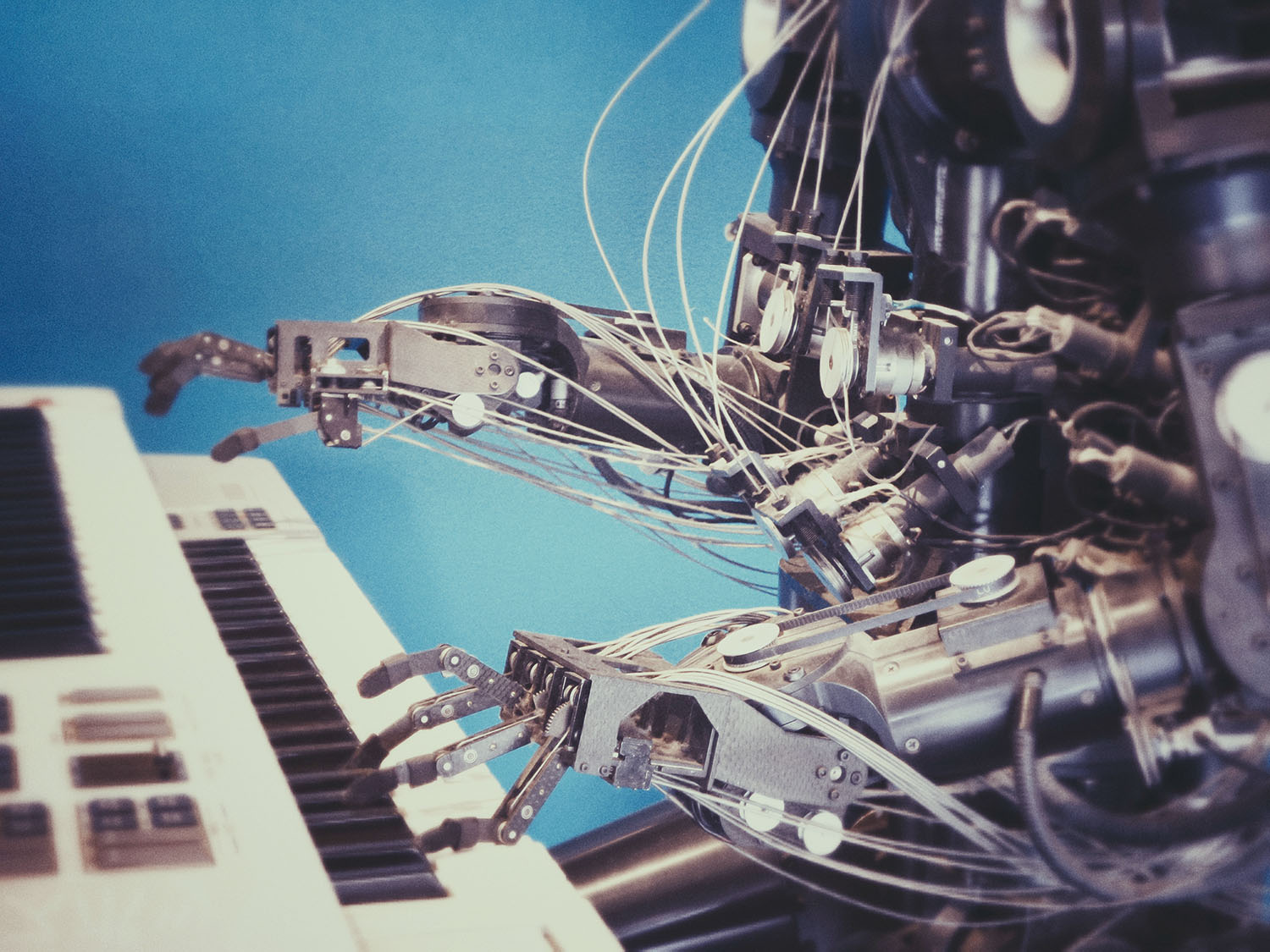
Humans are good at being humans. Machines are good at being machines. Humans being made to per­form tasks like machines erodes human­i­ty. It’s essen­tial that human­i­ty be pri­or­i­tized in all human activities.

Franck V., 2018

The the­o­ry of sci­en­tif­ic man­age­ment, as advo­cat­ed by mechan­i­cal engi­neer Fred­er­ick Winslow Tay­lor, gained great pop­u­lar­i­ty around the tail end of the 19th cen­tu­ry. Accord­ing to the the­o­ry, through the appli­ca­tion of sci­en­tif­ic meth­ods and empir­i­cal ver­i­fi­ca­tion, pro­duc­tive effi­cien­cy can be achieved by break­ing down process­es into the most clin­i­cal and pre­cise steps pos­si­ble, there­by elim­i­nat­ing wast­ed motion.7

Labor was still large­ly per­formed man­u­al­ly at the time that this the­o­ry emerged so the move­ment of the body itself was often the sub­ject of scruti­ny. Every dip, step, grasp, and twist was ana­lyzed, and the human capac­i­ty for work was reduced to that of a machine. The quan­tifi­able impli­ca­tions of Taylor’s the­o­ry have exert­ed a great deal of influ­ence on sub­se­quent man­age­ment the­o­ries and have become increas­ing­ly vis­i­ble in labor prac­tices of the present day.

Today’s busi­ness­es, sup­plied with pre­cise track­ing and data min­ing tech­nolo­gies, can cre­ate quan­ti­fied met­rics to assess employ­ee per­for­mance based on their phys­i­cal per­for­mance. Ama­zon is one of the most enthu­si­as­tic adopters of this prac­tice. Their ware­house work­ers remain under the watch­ful eye of their ana­lyt­ic sys­tems at all times. At Ama­zon, if an employ­ee falls behind painstak­ing pro­duc­tiv­i­ty tar­gets, they can be warned, rep­ri­mand­ed, and ulti­mate­ly even fired.8 All this occurs com­plete­ly auto­mat­i­cal­ly, via algo­rithm, with­out the input of a super­vi­sor. This sys­tem exac­er­bates the phys­i­cal strain of main­tain­ing con­tin­u­al opti­mized out­put com­bined with the men­tal stress of per­pet­u­al scruti­ny. One-size-fits-all stan­dard­ized met­rics for employ­ee per­for­mance have dis­as­trous effects for the indi­vid­u­als who keep a com­pa­ny run­ning. The result­ing work con­di­tions form a tox­ic con­coc­tion for these work­ers, and not one con­ducive to sat­is­fac­tion or con­nec­tion with one’s work.

“Ana­log Com­mu­ni­ca­tion”, Natalia Petri

Cor­po­rate pro­duc­tiv­i­ty prac­tices rep­re­sent one area of stan­dard­iza­tion that can be improved for human ben­e­fit. Yet, there’s anoth­er more insid­i­ous sense of stan­dard­iza­tion that has creeped into the lifestyles of peo­ple in devel­oped nations: an indus­tri­al­ly-stan­dard­ized dai­ly cycle of work-eat-enter­tain-sleep. This arti­fi­cial cycle of life pum­mels our bio­log­i­cal clocks with end­less com­pu­ta­tion­al work, processed foods, streams of tele­vi­sion shows to watch, and social media bar­rages, all of which con­tribute to loss of sleep and relat­ed dis­or­ders.9 Step­ping away from indus­tri­al­ized stan­dards of dai­ly rou­tines will do much to improve our con­nec­tion to our own intu­itive wisdom.

While stan­dard­iza­tion can make for cer­tain effi­cien­cies, we also lose the integri­ty of vari­a­tion and the poten­tial to receive insights that can emerge by devi­at­ing from the norm. We believe in the impor­tance of approach­es that work for effi­ca­cy as much as we believe in the impor­tance of enabling variation.

Load more