Categories
Align Innovate according to universal laws

Reintegrating Ancient Priorities

What did wis­dom rep­re­sent in ancient times? What does wis­dom mean today and how will it be dealt with tomorrow?

It’s impor­tant to make sure we’re not los­ing vital wis­dom from our past as we race for progress. For­get­ting the wis­dom from gen­er­a­tions of expe­ri­ence is the eas­i­est means for the dark peri­ods of our col­lec­tive his­to­ry to repeat them­selves. Sup­port­ing sys­tems of shared knowl­edge, such as muse­ums, libraries, and the­aters, can help empow­er peo­ple to access vital sto­ries and infor­ma­tion. Con­tin­u­ous learn­ing must be avail­able to all peo­ple, and not reserved for priv­i­leged class­es. For inspi­ra­tion, we can look back at how humans have pre­served ideas dis­cov­ered to be worth record­ing through­out the ages.

The ear­li­est forms of human writ­ing can be found in the form of art­work deep with­in France’s Chau­vet Cave where, over 30,000 years ago, peo­ple paint­ed hun­dreds of ani­mals on the walls. In addi­tion to cap­tur­ing the like­ness of around thir­teen dif­fer­ent species, hand­prints also exist, drawn through­out the cave in red pig­ment. The depic­tion of human forms in this space also include sev­er­al vul­vas, with the most promi­nent drawn in the form of a par­tial Venus, fea­tur­ing out­lines of exag­ger­at­ed hips trac­ing the con­tours of the cave’s out­crop.15

The vari­ety of images in the cave have been dat­ed to two dif­fer­ent peri­ods of time. The cave paint­ings illus­trate how two dis­tinct Auri­gna­cian cul­tur­al groups of peo­ple, who lived thou­sands of years apart from each oth­er, each used this select­ed space for imprint­ing their visions of the world as they expe­ri­enced it. The time­less sto­ry of fer­til­i­ty is told in the char­coal lines that shape the cave’s most promi­nent Venus and mul­ti­ple oth­ers. These dis­tant groups of human ances­tors hon­ored a sacred fem­i­nine source. In the cave paint­ings, these ear­ly groups of peo­ple left behind a mes­sage of the impor­tance of liv­ing in rev­er­ence to where life is made. Today, as in any stage of exis­tence, we are well served to do the same.

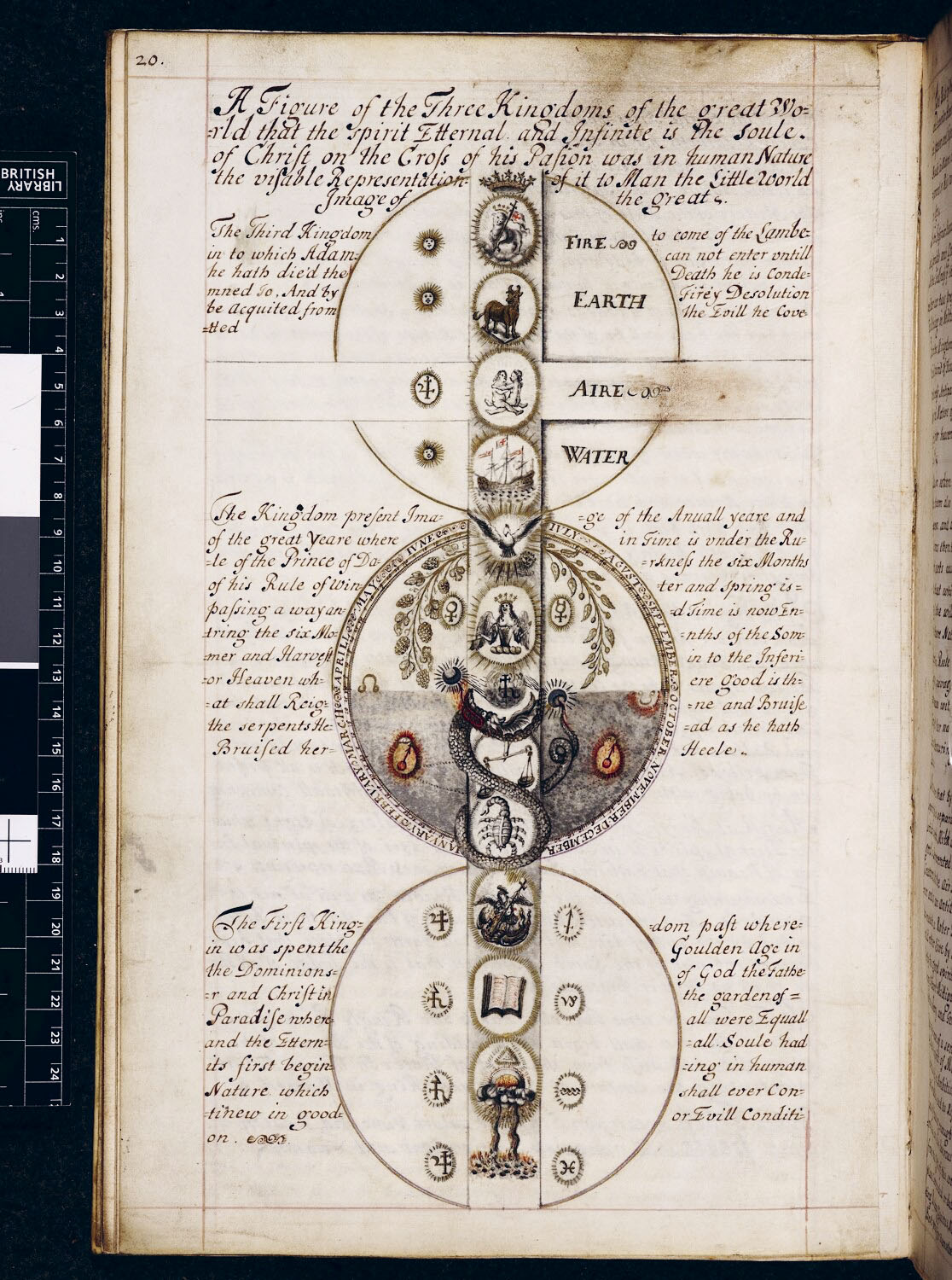
“Dis­course on Geo­man­cy”, 1685

We won­der whether there were the equiv­a­lent of ancient sketch­books as there’s only the fin­ished prod­ucts on the walls of Chau­vet. No mock­ups, no mis­takes. Just raw, inten­tion­al expres­sion. What was that act of paint­ing like at that time? Was it a dan­ger­ous hob­by with bears and cave hye­nas lurk­ing just out­side? The rit­u­als and rou­tines were of a group nature, albeit much small­er in size and range of ter­ri­to­ry. In today’s world of expo­nen­tial­ly increas­ing pop­u­la­tion, tech­nolo­gies, and inno­va­tion, how can we access wis­dom from our ancient rit­u­als to sup­port align­ment with time­less pri­or­i­ties around the sanc­ti­ty of life?

Through­out ancient human his­to­ry, the sacred fem­i­nine has been expressed not only as a source of life, but also a source of wis­dom. Around the 8th cen­tu­ry BCE in Greece, Pythia was the high priest­ess Ora­cle at Del­phi. One day each month, she sat on a caul­dron atop a tri­pod, shroud­ed in eth­yl­ene vapors and utter­ing prophe­cies to pre­pared sup­pli­cants. Accord­ing to archae­ol­o­gist John Hale, as quot­ed in an inter­view from 2004 on the radio pro­gram, The Ark, “the Pythia was (on occa­sion) a noble of aris­to­crat­ic fam­i­ly, some­times a peas­ant, some­times rich, some­times poor, some­times old, some­times young, some­times a very let­tered and edu­cat­ed woman to whom some­body like the high priest and the philoso­pher Plutarch would ded­i­cate essays, oth­er times who could not write her own name. So it seems to have been apti­tude rather than any ascribed sta­tus that made these women eli­gi­ble to be Pythias and speak for the god.”16 This vari­ance in who speaks for god is most fas­ci­nat­ing, as the tra­di­tion allows for women of diverse back­grounds to occu­py this sacred posi­tion. One of the bet­ter known land­marks of Del­phi is the Del­ph­ic Max­im inscribed on the tem­ple, “Know thy­self.” The idea of self-knowl­edge through the guid­ance of women from dif­fer­ent back­grounds makes us won­der what the mod­ern day equiv­a­lent might be? How can we, in our cur­rent soci­etal com­mu­ni­ties, cre­ate civic spaces devot­ed to wis­dom in con­nec­tion with the land and sacred fem­i­nine, and that hon­or women from all areas of soci­ety? And, in what ways might we also inte­grate the role of the sacred mas­cu­line, to pro­tect and pro­vide for oth­ers? How might we inte­grate ora­cles into our mod­ern civ­i­liza­tion? Pos­si­bly in the cre­ation of coun­cils appoint­ed specif­i­cal­ly to respond to the most com­pelling con­cerns and ques­tions of our times.

CIA Star­gate Project

In whichev­er ways we orga­nize future com­mu­ni­ties inspired by ancient wis­dom, soci­ety will ben­e­fit from this being a prac­tice open to every­one. The pow­er of the peo­ple rests in the capac­i­ty to con­nect across com­mon bonds. Ear­ly writ­ten texts reveal the impor­tance of sol­i­dar­i­ty and free­dom, espe­cial­ly while liv­ing under the con­trol of oth­ers’ self-inter­est. UNESCO’s (Unit­ed Nations Edu­ca­tion­al, Sci­en­tif­ic, and Cul­tur­al Orga­ni­za­tion) “Mem­o­ry of The World Reg­is­ter” con­tains a col­lec­tion of doc­u­men­tary archives pre­served from as far back in human his­to­ry as we have the writ­ten word.17 Among the col­lec­tion is the Magna Car­ta, signed in agree­ment by King John on June 15, 1215. The doc­u­ment was draft­ed as a means for keep­ing peace between the rebel­lious Barons and the unpop­u­lar king. Its con­tents secured cer­tain pro­tec­tions and free­doms for the peo­ple as an alter­na­tive to sub­ju­ga­tion by an author­i­tar­i­an ruler. In the cen­turies that fol­lowed, the doc­u­ment con­tin­ued to offer influ­ence, most notably in the draft­ing of the Unit­ed States Con­sti­tu­tion. The idea that people’s rights and free­doms must be upheld, writ­ten onto parch­ment in Eng­land over 800 years ago, is worth con­tin­u­al­ly keep­ing in our hearts, minds, and poli­cies going forward. 

When we look back at the var­i­ous forms of sto­ries told through­out dif­fer­ent peri­ods of human civ­i­liza­tion, we find reminders of the impor­tance of work­ing togeth­er while also hon­or­ing the mys­ter­ies and beau­ty of life. Ancient wis­dom will guide future discovery.

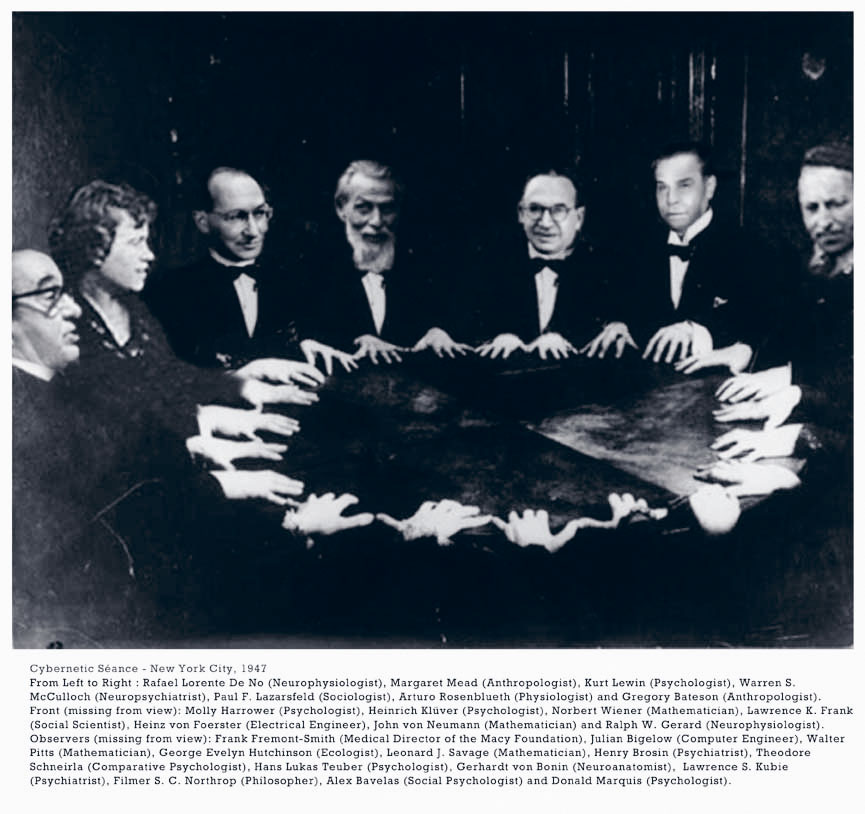
Cyber­net­ic Seance at Macy Conference
Declas­si­fied sketch­es from Star­gate Project, the CIA’s 20 year inves­ti­ga­tion of psy­chic phenomena
Load more