Categories
Align Empowering Humanity

Dismantle Borders

Ongo­ing cli­mate crises con­tin­ue to reaf­firm how out of align­ment we are with nature. A mix of human activ­i­ties is mak­ing our habi­tats inhospitable.

As coast­lines van­ish, where will the 10% of the glob­al pop­u­la­tion who live in these areas go?27 And how will we accom­mo­date inten­si­fy­ing waves of displacement?

On a col­lec­tive lev­el, we need to pre­pare with empa­thy and prac­ti­cal­i­ty for a new wave of mass migra­tion by putting appro­pri­ate sys­tems in place to help envi­ron­men­tal refugees before this cri­sis hits fever pitch. An uptick in envi­ron­men­tal refugees is all but guar­an­teed with­in the com­ing years, even if we begin to rein in our emis­sions. This does not need to be a human­i­tar­i­an cri­sis, however.

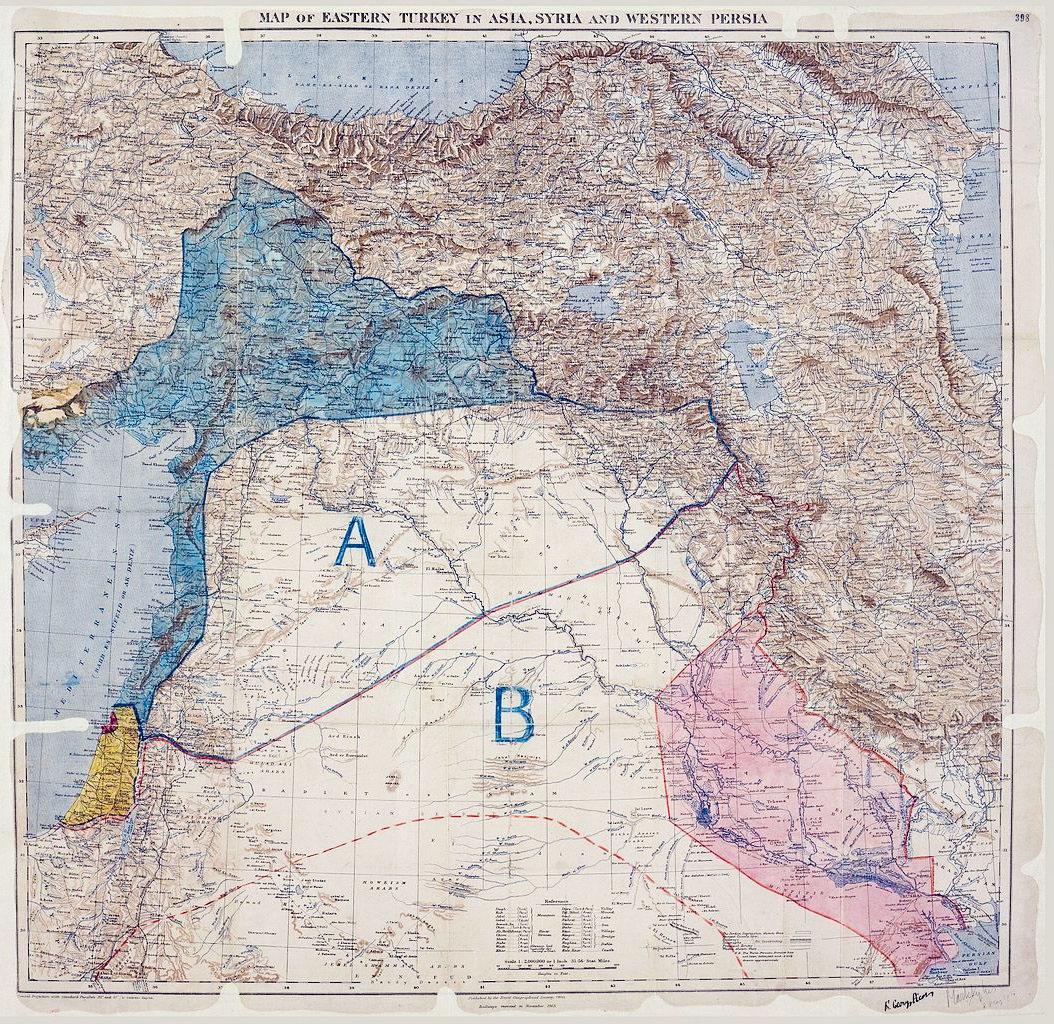
The Sykes-Picot Agree­ment map of 1916, in which rep­re­sen­ta­tives of France and the UK agreed upon how to carve up the Mid­dle East upon defeat of the Ottoman Empire

We need to change the pat­tern of how coun­tries con­tin­ue to fail to install sys­tems to aid the cur­rent flow of refugees from human­i­tar­i­an crises of war and geno­cide. The com­mon refrain that makes receiv­ing those in need so dif­fi­cult has to do with secur­ing bor­ders. In this sense, the prob­lem has to do with plac­ing a pri­or­i­ty on bor­ders to begin with. The log­i­cal response to this con­flict would sug­gest we de-empha­size the impor­tance of bor­ders in order to empha­size the impor­tance of human­i­ty in need.

Com­mon decen­cy would sug­gest that those flee­ing from vio­lence would be treat­ed with humane­ness and fair­ness. Unfor­tu­nate­ly, these indi­vid­u­als are often crim­i­nal­ized rather than cared for, and deemed a threat to sta­bil­i­ty. Migrant “deten­tion cen­ters” are real­ly not so dis­tinct from con­cen­tra­tion camps. In con­trast, the open doors of sanc­tu­ary cities aim to soft­en this harsh and unwel­com­ing cul­tur­al cli­mate. They vary, but sanc­tu­ary cities tend to prac­tice some form of dis­sent against immi­gra­tion enforce­ment, aim­ing to shel­ter peo­ple from the most puni­tive prac­tices. This cur­rent polit­i­cal moment of anti-migrant sen­ti­ment and xeno­pho­bia must be fought through­out the pub­lic sphere. We must defend, sup­port, and care for human life, and replace fear of the oth­er with love.

Nation­al bor­ders are under­go­ing a con­tra­dic­to­ry shift. Although hard­ened by nation­al­ism, con­cep­tu­al­ly they have been made more per­me­able. Infor­ma­tion and com­mu­ni­ca­tion now flows freely and instan­ta­neous­ly with­out any con­sid­er­a­tion for coun­try borders.

Map depict­ing Cal­i­for­nia as an island, Joan Vincke­boons, ca. 1650

This is espe­cial­ly true amongst the younger gen­er­a­tion. Their iden­ti­ties are shaped by dig­i­tal inter­ac­tions as much as their phys­i­cal sur­round­ings. Many bor­ders are large­ly arbi­trary, drawn up long ago by colo­nial con­querors who had no regard for the social ties that con­nect­ed the native inhab­i­tants togeth­er. The enforce­ment of nation­al bor­ders is entire­ly incom­pat­i­ble with a humane response to both cur­rent and future flows of people.

A rede­f­i­n­i­tion of bor­ders can pos­i­tive­ly con­tribute to de-esca­lat­ing hos­til­i­ties. Bor­ders can be eased to allow for com­mon sense and decen­cy. The way that kids who live on the Mex­i­can side of the nation­al bor­der but go to school in Texas, New Mex­i­co, or Ari­zona, have to wait hours in immi­gra­tion line breath­ing the fumes from idling engines just to get home after class is an out­rage to basic lev­els of respect.

In mak­ing maps to demar­cate owned ter­ri­to­ry, humans end­ed up empha­siz­ing the lines drawn between one anoth­er, while the def­i­n­i­tion of bor­ders has his­tor­i­cal­ly shift­ed through force and pow­er. Yet, nature doesn’t adhere to these bor­ders. A wild­fire rips across state lines, and floods erode the dis­tinc­tion between dis­tricts. We should look at bor­ders as more of nat­ur­al bound­aries and less as rigid and fal­li­ble, human-made lim­its. Hope­ful­ly, that acknowl­edge­ment can help serve to decrease fear and place the pow­er of com­pas­sion at our bor­ders, and every­where in between.

Load more